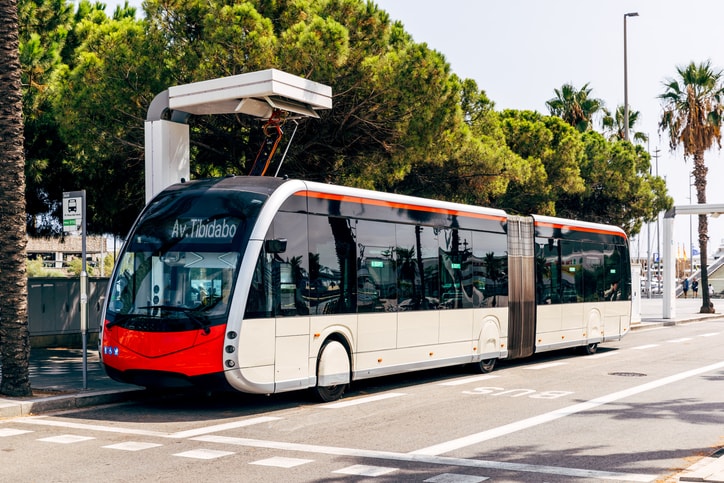
The shift toward sustainable mobility is gaining momentum in 2026, which is shaping up to be the year electric vehicles firmly establish themselves in Europe. Several key factors are driving this push to decarbonize urban transportation, including a wider range of affordable models priced below 25,000 euros, government incentives (the Auto+ Plan), and the rollout of an efficient, strategically located EV charging network.
Against this backdrop, Spain has embraced Europe's shift toward electric mobility, with remarkable momentum in the automotive sector helping the country reach a new milestone. September marked a turning point for Spain's automotive market, with record-breaking registration figures reinforcing the shift in driver preferences, as confirmed by October’s data, which saw the best sales figures in 19 years.
According to the latest vehicle registration figures published by the Spanish Association of Automobile and Truck Manufacturers (ANFAC), sales of electrified passenger cars (including battery electric vehicles and plug-in hybrids) reached a record market share of 34%. In other words, one in every three passenger cars sold in September was equipped with plug-in technology.
A total of 33,963 electrified vehicles were registered in September, up 52.8% from the same month in 2025. Looking at the figures in more detail, battery electric vehicles (BEVs) accounted for 17,366 passenger car registrations and 18% of sales. For the first time, they became the second best-selling vehicle technology in Spain behind non-plug-in hybrids, overtaking traditional combustion-engine cars.
Meanwhile, plug-in hybrid electric vehicles (PHEVs) continued to gain ground, with another 14,579 passenger cars registered in September.
This trend was further consolidated in October, marking the best performance for the month since 2007, driven by a push for electrified models. According to sector associations (Anfac, Faconauto and Ganvam) 31,044 electrified passenger cars were registered in October. This figure represents a year-on-year increase of 43.1%, accounting for 31.5% of total monthly deliveries.
According to this data, 100% electric vehicles reached a market share of 16.7%, positioning themselves 0.7 percentage points behind gasoline models. The total number of electrified units sold in the first ten months of 2026 amounts to 248,343, which is 37.6% more than in 2025.
According to David García Mancera, Head of New Energies at Moeve, these figures reflect the success of an integrated strategy in which technology and infrastructure are advancing hand in hand. “A wider range of models, growing confidence among drivers, an increasingly favorable energy landscape for electrification, and the support provided by the Auto+ Plan are all helping to accelerate this transition,” García Mancera explains.
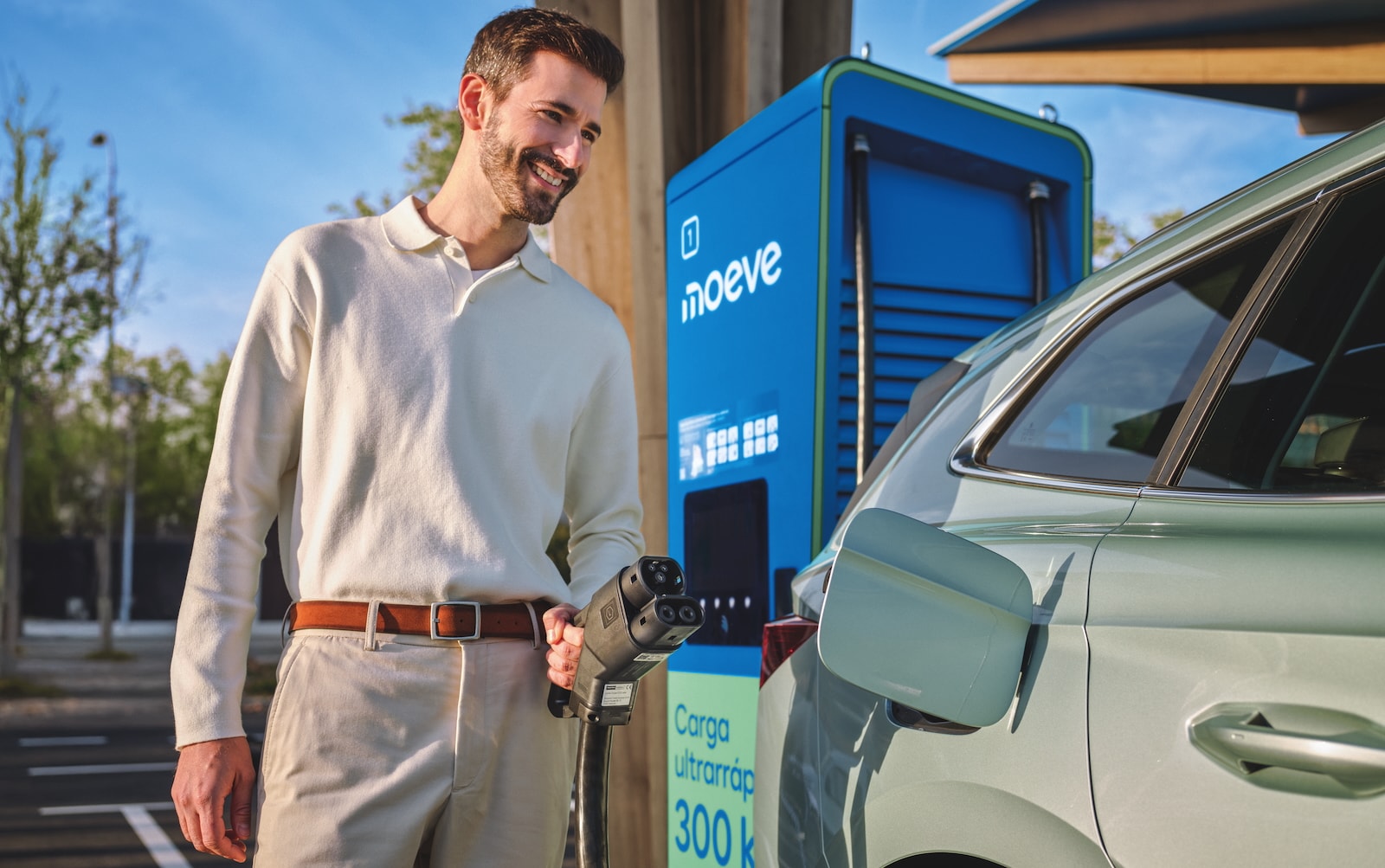
He emphasizes that the rollout of high-capacity charging solutions is a key factor in enabling long-distance travel, reinforcing the central role of new energy solutions in the future of mobility.
Spain outpaces Europe in EV charging infrastructure
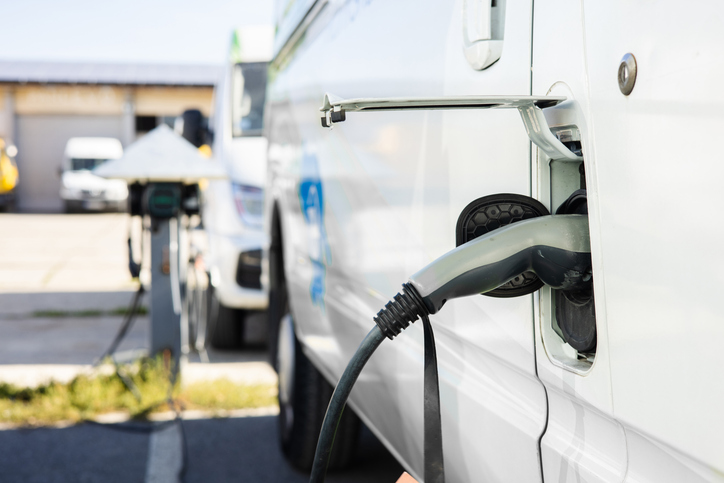
The growth of Spain's electric vehicle fleet is supported by the expansion of its charging infrastructure. According to consulting firm Roland Berger's EV Charging Index 2026, which examines the development of electric mobility across 34 markets, Spain has surpassed the European average in the rollout of fast-charging infrastructure.
The study highlights that more than 25% of public charging points installed in Spain have a power output exceeding 22 kW, compared with a European average of 20%.
The shift toward higher-powered chargers, particularly ultra-fast chargers delivering more than 150 kW, has put Spain on par with countries that have traditionally led the way in electric mobility, such as Norway, Portugal, and the United Kingdom. The report also notes that Spain has 13 vehicles per charging point, close to the European average of 14 vehicles per connector. This balance is essential to ensuring the viability of sustainable passenger and freight transportation.
Overall, the continued growth in electric vehicle sales and registrations in 2026 shows how the combination of high-power charging infrastructure, government policies promoting the electrification of urban mobility, and a wider range of affordable vehicles is helping to make zero-emission driving increasingly mainstream in Spain. Together, these developments are helping to create a more sustainable and efficient transportation system, accelerating the sector's decarbonization as part of the broader energy transition.