Europe is moving towards electric mobility, with the data to support it. In the last month of 2025, the market share of electric cars (EVs or BEVs) reached 22.6%, surpassing, for the first time, traditional combustion-engine vehicles. This is stated in the European ACEA report (European Automobile Manufacturers Association), the body that brings together the sector's employers. The data points to sustained growth throughout the year (+30%) until representing 17% of total registrations; 3% more than in 2024.
2025 also cites significant Spanish figures, which support the growth of electric mobility with a total of 104,262 registrations at year-end. Furthermore, and for the first time, it has surpassed the milestone of 100,000 units of fully electric cars sold to end customers - both individuals and companies - driven by a broader range of models and improvements in range and charging times, as well as an increasingly robust infrastructure network across the country.
According to the newspaper Expansión, based on data from Anfac, Faconauto, and Ganvam, sales of electric cars in 2025 exceeded 104,000 units; the figure rises to 245,629 vehicles when including plug-in hybrids (PHEV), thus reaching a market share of 18%. Spain thus confirms its acceleration towards electric mobility in line with the European average (17.4%), along with 9.4% plug-in hybrids. The first data for 2026 confirm and further reinforce this trend, with 22,974 new electric vehicle registrations in February, up 64.5% compared to the same period the previous year, according to specialized automotive media.
The electrification of mobility on the Old Continent has also been noticeable in the offer of manufacturers, and the market is adapting to the coexistence of traditional automotive companies and the arrival of brands like the Chinese BYD (Build Your Dreams), which leads in the manufacturing and sale of new energy vehicles (electric and plug-in hybrids) and batteries.
A capillary charging network
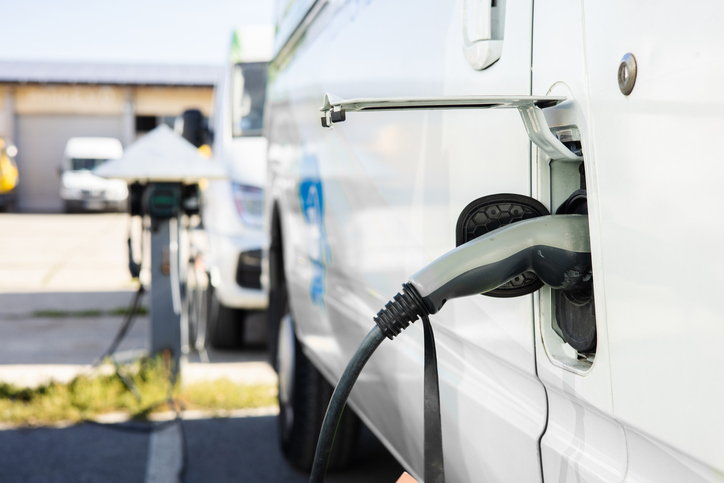
This boost in sales of purely electric models has been accompanied by an unprecedented deployment in the charging infrastructure. According to the data, large energy companies have increased their public charging network to a total of 53,000 points over the last year. This represents a 37% increase compared to 2024, after the investment of companies and specialized operators.
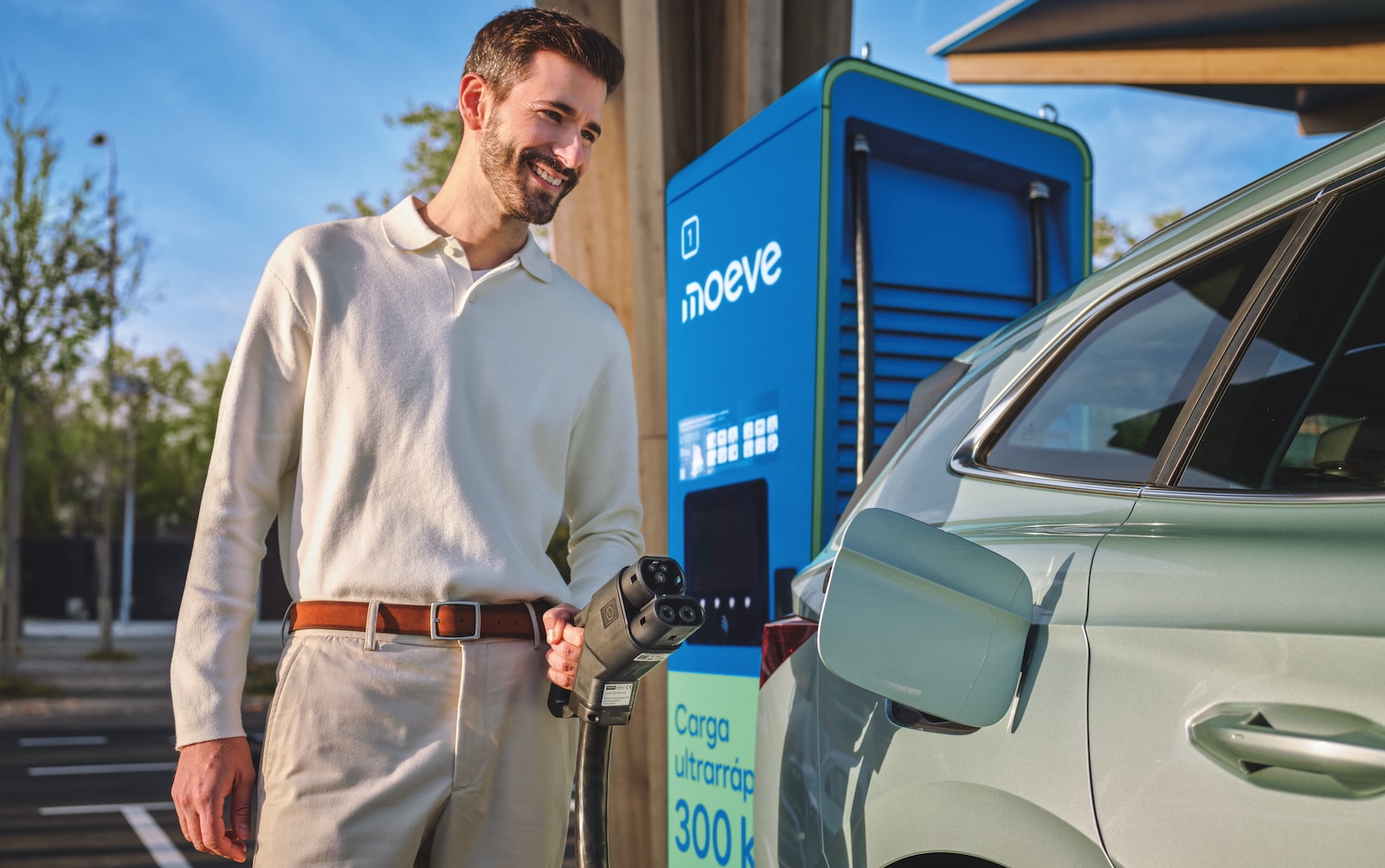
Moeve specifically focuses on ultra-fast charging points with 280 connected spaces (more than 150 kW) and 146 stations: 70% in Spain and 30% in Portugal.
This is a key investment to promote the use of electric vehicles for both long-distance travel and urban travel, driving the decarbonization of private transport, where the electric car is becoming increasingly efficient. In fact, the DGT points out that the electric car (EV or BEV) is more profitable and sustainable after 17,000 kilometers driven per year.
Ultimately, the commitment to electric mobility is not just about complying with the regulatory framework and the Sustainable Development Goals (SDGs) of the 2030 Agenda, but is also part of a socioeconomic transformation that moves towards decarbonization and advocates for a multimodal, quieter, and more sustainable way of getting around.