Mobility as a Service (MaaS) is a concept that is now revolutionizing the way we get around in our cities, by digitalizing travel. The idea is to integrate a diverse range of public and private transportation options into a single digital platform, which is accessible via a mobile phone application or any other smart device.
This platform’s purpose and added value is found in its ability to suggest the most efficient and economical route, personalized for each user. In addition, it promotes sustainable mobility by incorporating electric vehicle charging stations, public transportation, and shared-use services. In summary, MaaS uses a single interface to bring together and connect public and private means of transportation, along with built-in payment systems and algorithms that can suggest optimal routes.
The platform prioritizes digitalization and the use of open data (for time schedules, traffic updates, alerts from transportation managers, etc.) to optimize each stage of a journey. It does this through participation by institutions, organizations, and public-sector agencies to ensure access to this key information, with the aim of improving the efficiency and sustainability of the transportation options available to the public, while generating economic and social value.
The end result will be more sustainable cities, thanks to the ability to offer personalized, people-centered fares and solutions.
One app for every type of route
MaaS is designed to be a single ecosystem that brings together all available means of transportation in one place, so that each user can plan, reserve, and pay for an entire trip with no need to rely upon multiple ticket sources or apps. Specific, individualized journeys can be created, with an emphasis on flexibility and interoperability. In addition to providing optimal multimodal planning, MaaS offers personalization based on each user’s preferences, such as the route with the lowest emissions, or the route with the least number of transfers along the way. It also offers dynamic, real-time information about traffic, delays, and other incidents.
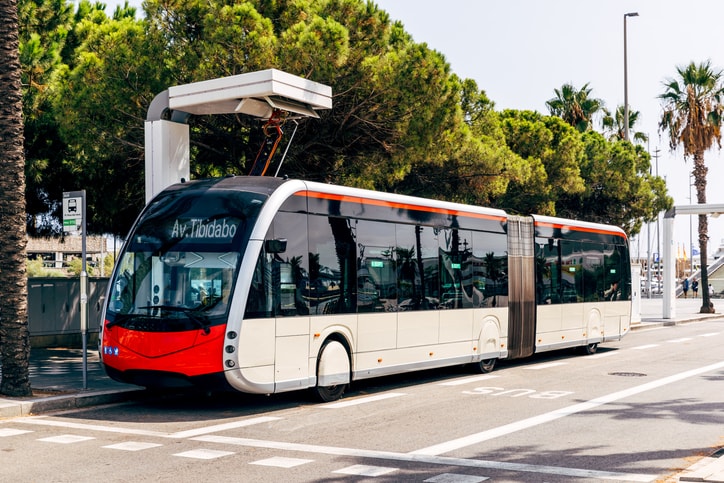
What types of transportation are included? MaaS brings together everything from buses and metros to electric scooter and bicycle rental services, ridesharing apps, taxis, and shared-use vehicles.
Charging stations are also a key feature of MaaS, giving the platform added value for the user, while also promoting electric mobility as an important part of the means of transportation offered.
Fluid and accessible mobility
Sampo Hietanen first developed the concept of MaaS, and he then created the app known as Whim, which integrates various modes of transportation into a single digital experience that is “fluid and accessible to everyone”.
Roger Atkins, a prominent advocate for the electric vehicle industry and founder of Electric Vehicles Outlook Ltd., believes that the success of these platforms will be found in the robustness of the infrastructure used to support charging engineering, and in the battery ranges of electric vehicles and micromobility options such as electric motorbikes and scooters.
On the move with MaaS
Let’s consider an example: a user wants to travel from a location near the Atocha train station in Madrid to the Casa de Campo urban park, by using a Maas platform. After beginning his journey on a suburban train, he continues on an electric scooter until reaching the Moeve service station in the Pacífico neighborhood, where a shared electric vehicle is just finishing its charge. While waiting for the last few minutes he can have a coffee, or use the same app to plan the rest of his trip. Now the vehicle has been fully charged, and it is ready to take our user to a location near an entrance to the Casa de Campo park, where he completes the last stage of his journey by using another form of micromobility, walking.
The advantage of all this is that our user can know in advance, with great precision, the cost and estimated time required for the various travel alternatives, so he can select the best journey based on his own needs and preferences.
The experts at Moeve emphasize that MaaS will become a key method for integrating all means of transportation into a unified digital experience, including private electric vehicles. They also point out that each user’s freedom to choose from the various transportation options available, supported by a solid charging infrastructure and intelligent data, will make MaaS a true catalyst for sustainable mobility.