Although the origins of the electric car date back to the late 19th century, its popularity drastically declined in the 1920s, with a resurgence occurring in the early 21st century. However, the true technological maturation that has completely transformed the global market has only occurred in recent years.
On a global level, one in every four new passenger cars registered worldwide during 2025 corresponded to electrified technologies, 250 times more than in 2010. Furthermore, market forecasts for the end of 2026 point to a global sales volume of over 22 million units.
In the European context, the fleet of pure electric vehicles (BEVs) began the year with a 20% share. In Spain, 63,201 BEVs were registered during the first half of this year, representing a nearly 10% increase compared to the same period last year.
Performance, effectiveness, and operability
In the field of electric mobility, technology has made great strides. The average range is now 380 km, which is three times higher than 15 years ago. As a result, it is now possible to meet the three main needs of light commercial vehicles: urban mobility, intercity travel, and intensive professional use.
In urban mobility, average daily use is about 40 kilometers, while taxis can travel up to 250 kilometers on those days. In other words, it falls below the average.
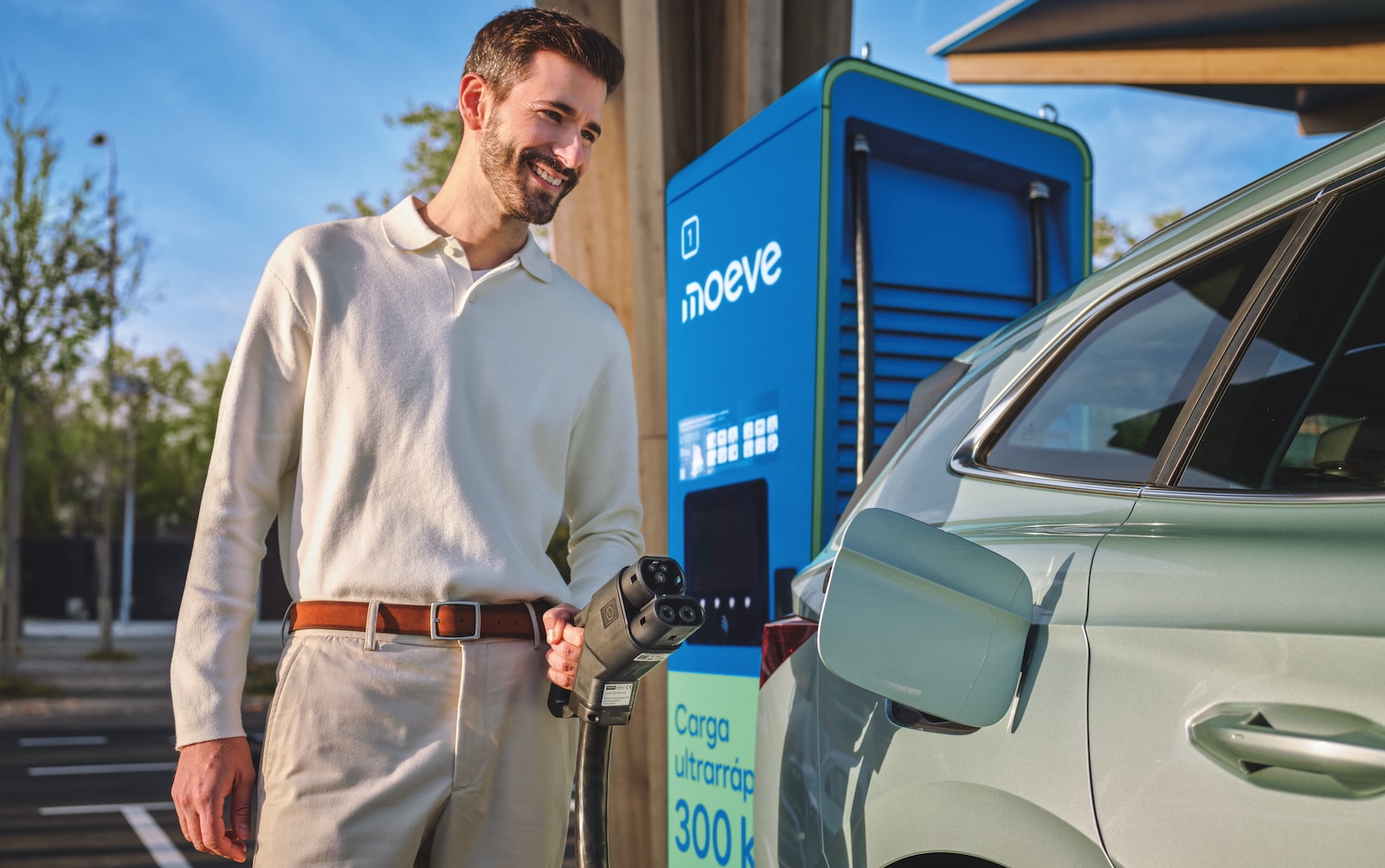
The challenge of intercity mobility is being overcome thanks not only to advances in autonomy, but also in ultra-fast charging technology, which can efficiently supply these vehicles with enough power for long trips in a similar amount of time as a combustion car.
We define ultra-fast electric charging as reaching at least 150 kW of power, allowing a vehicle's battery to charge to 80% in between 10 and 20 minutes, depending on the model. This allows you to travel more than 200 kilometers, take a break, recharge, and then drive for another two hours without interruption, for example.
Advancing infrastructure, key to the path to electrification
In this context, deploying the charging network is especially important for promoting electric mobility, and it continues to advance. Current fast-charging systems can restore battery range at a speed 12 times faster than conventional first-generation infrastructure.
The growth of charging stations is supported by community regulatory frameworks such as the Alternative Fuels Infrastructure Regulation (AFIR), which requires the parallel and coordinated deployment of high-power public charging infrastructure. Thus, the evolution of the charging station network ensures that the deployment of infrastructure accompanies technological advances in vehicle autonomy, contributing to the decarbonization of the sector.
The development of electric vehicle technology, particularly in terms of autonomy, has made it possible for these vehicles to meet most of a user's usual mobility needs, driving a change in mindset. The challenge now is to optimize charging experience and improve the quality of the infrastructure to promote more efficient and sustainable mobility.