Many consumers are thinking about moving toward climate neutrality by opting for a hybrid or electric car. Choosing between one or the other has become even more important following the recent European Union debate, which concluded with legislative changes regarding the end of gasoline and diesel combustion engines, set for 2035.
Although hybrid and electric vehicles share the same goal of reducing carbon footprint, there are several technical differences between the two different types.
- 1. Technology and operation:
An EV or BEV is a pure electric vehicle, while an HEV is a hybrid with a small electric motor used in traffic jams or parking maneuvers to avoid running the combustion engine. A PHEV (plug-in hybrid electric vehicle) is yet another concept that can run exclusively on electricity, and an EREV is an extended range of electric vehicle.
Another difference is that both EVs and PHEVs are eligible for a ZERO emissions label, while HEVs have an ECO emissions label because, even though they use the combustion engine less, it is still the main one.
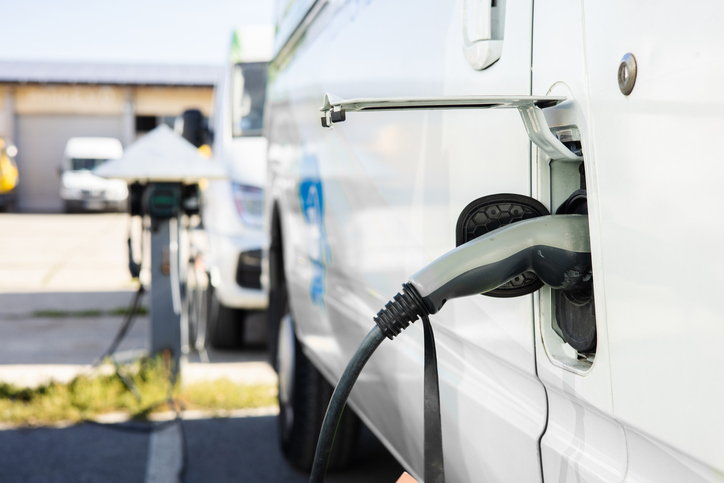
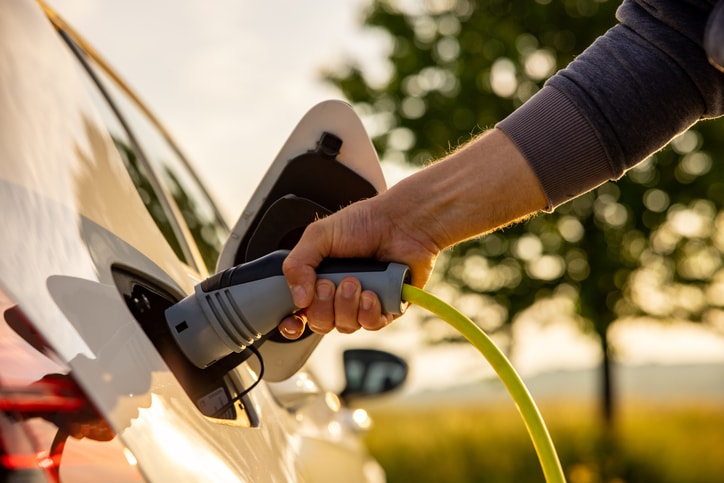
BEVs rely on one or more electric motors powered by high-capacity batteries that must be charged using the power grid. They have no combustion engine and release no direct emissions while they're being driven. Technical improvements in recent years have increased the range and efficiency of this kind of vehicle.
However, PHEVs combine an internal combustion engine with one or more electric motors and a smaller battery than pure electric vehicles. They alternate power supplies according to the needs of the journey, improving fuel efficiency, and reducing emissions compared to a traditional combustion vehicle.
- 2. Life cycle:
The European Environment Agency believes that efficiency and sustainability should be measured based on a vehicle's entire life cycle. In both cases, their durability would be similar to a traditional combustion vehicle, taking into account maintenance and the number of kilometers traveled.
PHEVs, however, can sometimes emit up to five times more than shown in official tests if they are not charged regularly due to excessive use of the combustion engine. Therefore, their sustainable potential is closely linked to the frequency of charging and driving in electric mode.
In an article published last June in the magazine Seguridad Vial, the Spanish Directorate General of Traffic (DGT) states that electric cars start to be more profitable and sustainable after 17,000 kilometers, when the low emissions offset the impact of manufacturing the vehicles' components.
- 3. Range and profitability:
PHEVs are considered a reasonable investment for driving, especially in cities and on urban trips, due to the significant fuel economy (up to 30% less, according to some specialized operators) and tax advantages (ECO emissions label, tax breaks), as well as reduced wear and tear compared to a traditional combustion engine thanks to the hybrid motor. A PHEV could travel on the M30 highway in Madrid exclusively in electric mode, something unthinkable for a conventional non-plug-in hybrid, which would be limited to a speed of about 5-10 km/h and for a limited time.
As for electric cars, experts believe that they are highly profitable in the long term, especially for drivers who travel many kilometers each year (11,000). Beyond the savings due to not needing fuel and reduced emissions, they also point out that there are fewer costs in terms of the mechanical maintenance of traditional engines, such as moving parts and oil changes. According to Movilidad Eléctrica, they can lead to savings of up to 30%.
- 4. Grants and Low-Emission Zones:
Since January 1, 2025, restrictions within the Low-Emission Zones (LEZs) of cities such as Madrid or Barcelona have intensified and favor vehicles with ZERO and ECO emissions labels, which include both hybrid and electric vehicles.
In terms of public grants for hybrid and electric vehicles, the Plan Moves III ended in 2025. However, the government has announced a new program — the Plan España Auto 2030 — which, although pending finalization, aims to transform the automotive industry towards sustainable mobility, promoting innovation and stimulating the market through centralized grants and improved charging infrastructure.
In both cases, they benefit from income (-15%) and road tax breaks and also have the ECO label that allows them to drive in Low-Emission Zones.
Conclusions:
A recently published study in Nature shows that electric vehicles generally have lower carbon footprints than hybrids; the carbon emissions of BEVs are between 32% and 47% lower than equivalent hybrids.
According to experts, electric motors are inherently more efficient than combustion engines, as they convert a greater proportion of stored energy into motion. This means that for the same amount of energy consumed, electric vehicles make better use of this energy than a hybrid with a traditional combustion engine.
Ultimately, PHEVs can be more practical for urban journeys due to their greater flexibility, while EVs are a more profitable and environmentally efficient option for drivers who cover more kilometers annually.
A similar opinion is held by the International Council on Clean Transportation (ICCT), which argues that electric vehicles are, in the medium and long term, the most sustainable and profitable choice, reducing emissions by 73% to 78% under the current European electricity mix.
Hybrids continue to be an important option for the transition, particularly in Eastern European regions where charging infrastructures are less developed. This has led the European Commission to consider that hybrids should be maintained for a longer time as a realistic and practical solution to help reduce emissions in territories that still do not have a sufficient charging network, while progressing towards 100% electric and sustainable mobility.