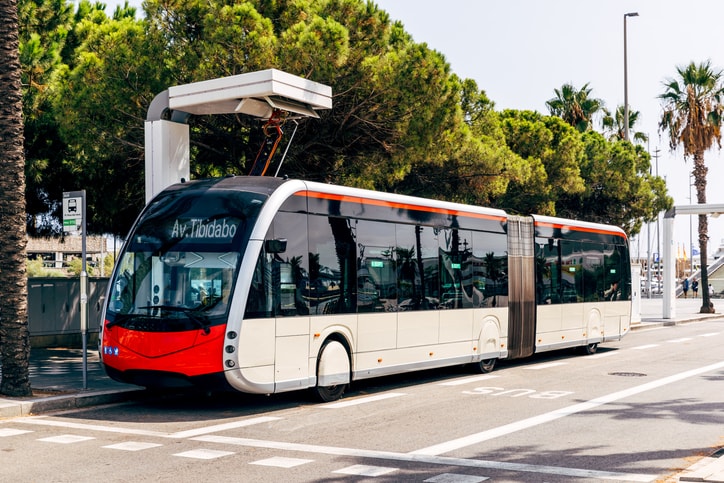
European cities are moving forward steadily in the same direction, electrifying their urban bus networks. According to the European Automobile Manufacturers Association (ACEA), one in four buses registered in Europe during the first nine months of 2025 was electric. This statistic reflects a trend that is growing and consolidating, with battery-electric technology emerging as the preferred prolusion method for urban mobility.
This development is also visible in the Spanish market, albeit on a different scale. In November 2025, according to statistics from the Spanish Business Association for the Development and Promotion of Electric Mobility (AEDIVE), 26,656 electric vehicles were registered in Spain, of which 55 were buses. This monthly growth is framed is part of a broader trend observed throughout the year. Cumulatively, electric buses operating in Spain reached 477 units, out of a total electric vehicle fleet of 254,783 (passenger cars, vans, motorcycles, medium or heavy-duty industrial vehicles, as well as quads and four-wheelers).
This context illustrates the sustained growth of electric mobility in Spain, with mass transit gradually gaining a larger share within the overall electrified fleet. This growth is no accident. It results from a commitment to public policies aimed at creating cleaner, more livable cities, as reflected in the new Sustainable Mobility Act of December 3 (Law 9/2025), which positions electrified mass transit as a central pillar of decarbonization, offering tax incentives and stricter regulations in Low Emission Zones (LEZ).
In practical terms, an electric bus works much like a giant appliance: it uses lithium-ion batteries to power an electric motor, eliminating the need for fossil fuels.
According to the Electric Vehicle Promotion Strategy published by the Ministry of Industry and Tourism, introducing these vehicles in urban mass transit fleets drastically reduces emissions and reinforces a more sustainable mobility model, enhancing urban travel.
Another advantage of electric buses is their positive impact on reducing noise pollution. Their operation is smoother and quieter, improving the passenger experience by reducing vibrations and providing a more spacious interior environment. Additionally, they represent significant cost savings for both public authorities and private operators, as, mechanically, they require less maintenance and fewer parts replacements than traditional buses.
Smart and automated charging networks
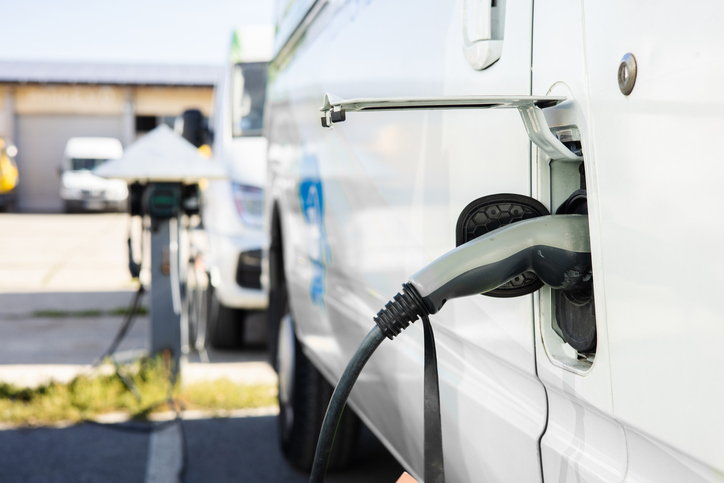
One of the technological milestones of 2025 for the growing fleet of electric buses involves smart and automated charging networks. An example of this is stations where buses charge via pantographs – articulated arms that transfer electricity for fast and safe recharging – which descend automatically without the need for operator intervention. This system, already implemented by Madrid’s Empresa Municipal de Transportes (EMT) and Barcelona’s TMB, is programmed to optimize energy consumption based on line schedules and real-time electricity prices, achieving savings exceeding 30% compared to traditional charging methods.
This commitment to electrifying bus fleets has placed Spain's capital at the forefront of the country’s cities. Madrid’s EMT fleet is composed of 450 electric buses and 45 100% electrified lines, with the La Elipa station as the operational hub. It benefits from its own photovoltaic installation to reinforce its electricity supply, and the public operator projected that by the end of 2025, 25% of its fleet would be zero emissions.
Zaragoza and Barcelona are also keeping pace. Zaragoza stands out for a transition that relies on the Mercedes-Benz eCitaro model, the fully electric version of its iconic predecessor, which has been the most popular bus in all Spanish cities for decades. The Aragonese city expected that by the end of 2025, one-third of its urban bus network would already be 100% zero-emission. However, the goal for 2036 is even more ambitious: complete electrification of the fleet, aligned with the Sustainable Development Goals (SDGs) of the 2030 Agenda, aiming for a climate-neutral city within four years.
Finally, Barcelona's Metropolitan Transport Company (TMB) has also stood out over the past year for advances in digitalization and smart stops. In addition to expanding its fleet with new high-range electric vehicles – now totaling 202 electric and 46 hydrogen buses (25% of the total) – in 2025, the company implemented smart stops that collect real-time data to optimize routes, while also expanding sustainable mass transit vehicles to the metropolitan area and other municipalities such as Baix Llobregat.
In short, the commitment to electric buses has evolved from a pilot project to a core element of urban planning centered on people. Clean, rechargeable, zero-emission energy for a journey that is smoother, quieter, more efficient, and climate-neutral.