Can electricity be generated simply by bringing fresh water and salt water into contact? Although it may seem strange, the difference in salt concentration between the two creates a natural flow that can be harnessed to generate electricity. This is known as osmotic power, blue energy or salinity gradient power.
To understand how it works, you have to start with osmosis: this is the natural movement of water through a filter — a semipermeable membrane — from the less concentrated (more diluted) side to the more concentrated side (with more salt or sugar) to bring them both into balance.
In the case of osmotic power, when the two currents come into contact, fresh water tends to flow toward the salt water, causing an increase in pressure. This pressure can be used to drive a turbine and convert the movement into electricity, similar to what happens in a hydroelectric plant.
Thus, there are two main technologies that allow us to harness this phenomenon: pressure-retarded osmosis (PRO) and reverse electrodialysis (RED). In the first system, fresh water passes through a membrane into the saltwater stream, and the resulting pressure increase is used to drive a turbine. In the second system, membranes are used that allow the selective passage of certain ions. By alternating freshwater and saltwater flows, the movement of these ions generates an electric current. This decision of which one to use is a technical matter that depends on the salinity and purity of the water.
From estuaries to desalination plants
One of the characteristics that sets osmotic power apart from other renewable sources is that it does not depend directly on the sun or wind. As long as there is a salinity gradient that can be harnessed, the process can continue. This means that electricity generation is not subject to the weather variations that can affect technologies such as solar or wind power. This reliability is one of the reasons why its potential role as a complement to other renewable energies is being studied.
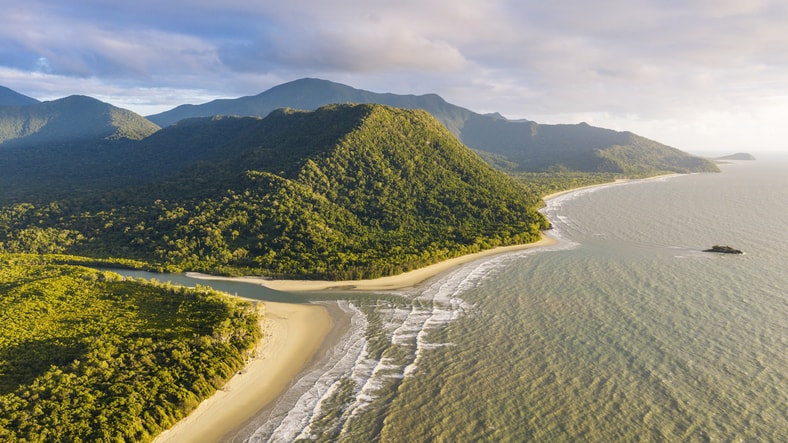
Estuaries and river mouths, for example, have particularly favorable conditions for harnessing this energy source. But this is not the only option; research is also being conducted into harnessing currents with different salt concentrations, such as those found in certain industrial processes or in desalination plants.
Where is it being developed?
In recent years, various projects have been launched to test how this technology performs under real-world conditions. One example is a plant that opened in 2025 in Fukuoka, Japan, as well as demonstration facilities in Denmark and France. In Denmark, a 100-kW plant began operating in 2023, while in France, a pilot plant has been developed in the Rhône Delta.
Osmotic power pilot projects are also being carried out in Spain, although research into marine renewable energy has historically focused on offshore wind and wave power. In this context, our country’s strategic advantage lies in its global leadership in water desalination. Alicante is currently home to the most significant project in this field — carried out by Sacyr — which aims to recover 20% of the energy used by the desalination plant. Another example of how pilot research is progressing can be found in the brine from the Llobregat River, derived from the effluent of wastewater treatment plants (WWTPs). The sharp contrast between industrial brine (which contains a very high salt content) and treated fresh water has the potential to generate renewable energy due to the enormous difference in concentration, or salinity gradient.
Given its characteristics, osmotic power is another form of renewable ocean energy along with wave energy, tidal energy, temperature differences between bodies of water, and ocean currents. In short, this renewable energy source is still in the very early stages, but it has the potential to complement other sustainable technologies, capable of transforming river mouths into silent mini-power plants that generate a constant supply of renewable electricity.