When we talk about the energy transition, we tend to think of major technological advances capable of transforming how we produce and consume energy. However, innovation does not follow a uniform path. Some solutions have already achieved a high degree of development and competitiveness, while others still need to overcome technical, economic, or regulatory barriers before they can become firmly established.
These differing rates of progress are reflected in what is known as "technology maturity," a concept used to classify each innovation according to its level of development and its potential for large-scale deployment. But technology maturity alone does not guarantee success.
For a solution to transform an industry, there must also be market demand for it, investment to drive its growth, and a regulatory environment that facilitates its deployment and keeps pace with technological innovation.
An ecosystem of widely differing technologies
The energy transition encompasses a diverse ecosystem in which fully established technologies coexist with others that are still in the early stages of development.
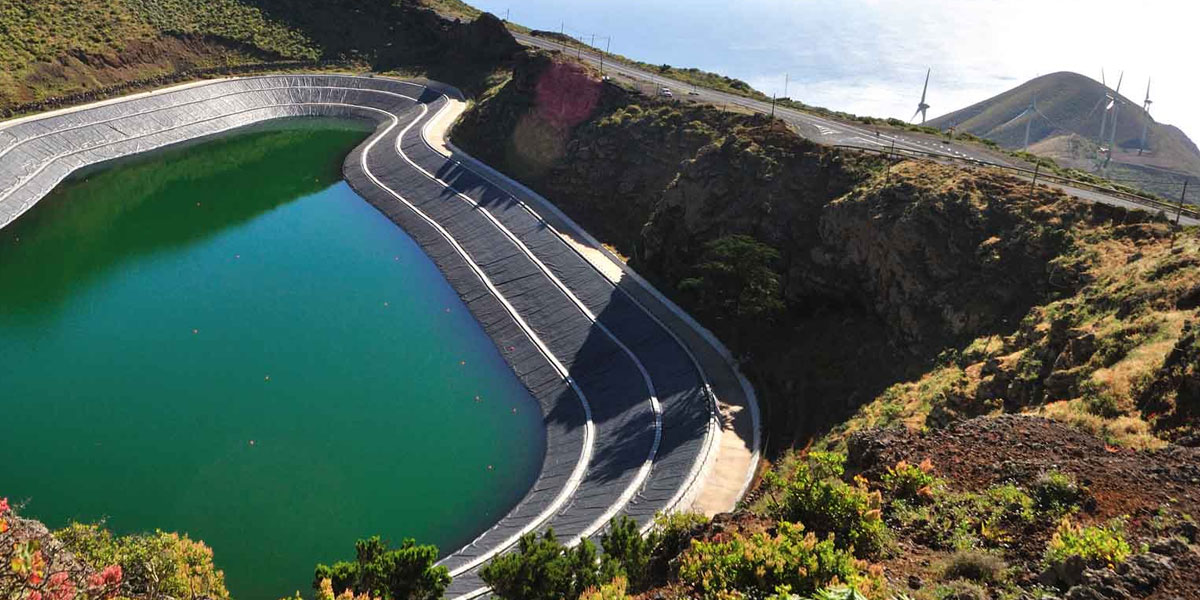
Solar and wind energy are among the solutions already suitable for industrial-scale deployment and are now considered two of the main pillars of decarbonization. Their high degree of maturity has enabled installed capacity to continue growing, while much of the electricity generated from these sources is now more competitive than electricity produced from fossil fuels.
Biogases also fall into this category. They have reached the level of development needed for large-scale deployment and can help both reduce emissions and strengthen energy independence. In fact, global biomethane production is growing at nearly 20% per year, reflecting the momentum this technology is gaining.
Electric mobility also continues to advance, driven by improvements in batteries and advances in ultra-fast charging, which have fueled the growth of electric vehicles. These vehicles accounted for 25% of global new car sales in 2025. Meanwhile, artificial intelligence (AI) is also becoming firmly established as a tool for optimizing industrial processes and improving decision-making through data analysis.
Alongside these mature technologies are others currently undergoing industrial scale-up, including synthetic fuels, energy storage, and green hydrogen. According to the Hydrogen Council, 500 green hydrogen projects worldwide are already under construction or have reached a final investment decision. However, although these technologies have considerable potential and are attracting increasing levels of investment, their commercial deployment must still be expanded and infrastructure developed to unlock their full potential.
Lastly, some technologies remain at an earlier stage of development. Blockchain applications in the energy sector, quantum computing, and the next generation of nuclear technologies continue to evolve through pilot projects and research, with a view to applications that could transform a range of industries in the coming years.
The market also has a say
The fact that a technology works from a technical standpoint does not mean it will be adopted quickly. In reality, success depends on striking a balance among three key factors.
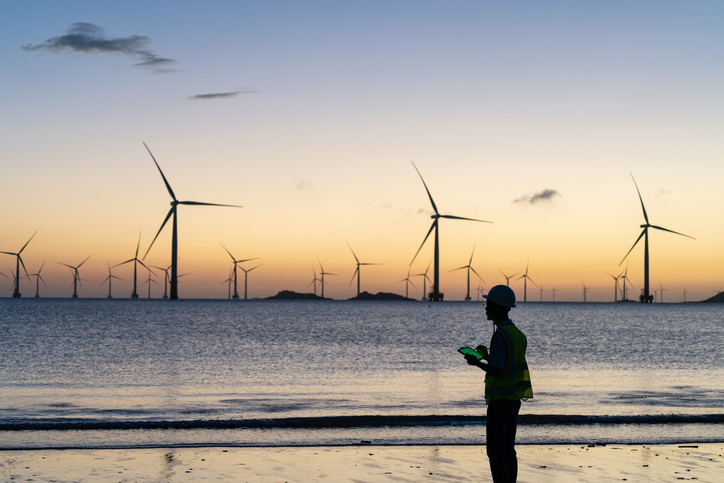
The first is technological advancement itself. Innovation helps overcome technical limitations and improve the performance of existing solutions. One example is floating offshore wind power, whose development has expanded the possibilities for electricity generation by allowing wind turbines to be installed in deeper waters.
The second factor is the market. For a technology to grow, it must meet real demand and offer a competitive value proposition. Recent developments in synthetic fuels and green hydrogen show that the emergence of new markets drives investment and accelerates development.
The third factor is regulation. Climate targets, public policies, and a stable legal framework build confidence, helping attract private investment and supporting the competitive deployment of new technologies. Without this backing, even technically viable solutions can remain stalled for years.
Ultimately, the energy transition depends not only on innovating and promoting new technologies, but also on creating the conditions they need to develop and reach the market.