An increasing number of travelers seek experiences that allow them to deeply understand the places they visit, converse with local inhabitants, and participate, even if only for a few hours, in their daily lives. According to Skyscanner's latest travel trends study, based on search data and surveys, immersive experience-focused travel will see considerable growth in 2026.
In this landscape of preferences, apitourism is gaining significant momentum as a form of experiential and sustainable tourism that transforms bees into very special travel companions. Spain starts with a considerable advantage, as it is the country with the largest number of beehives in the European Union and one of the world's leading honey producers. In this context, beekeeping tourism emerges as a proposal aligned with the rise of more responsible travel, where knowledge, territory, impact, and sustainability converge in a single experience.
The importance of the environment
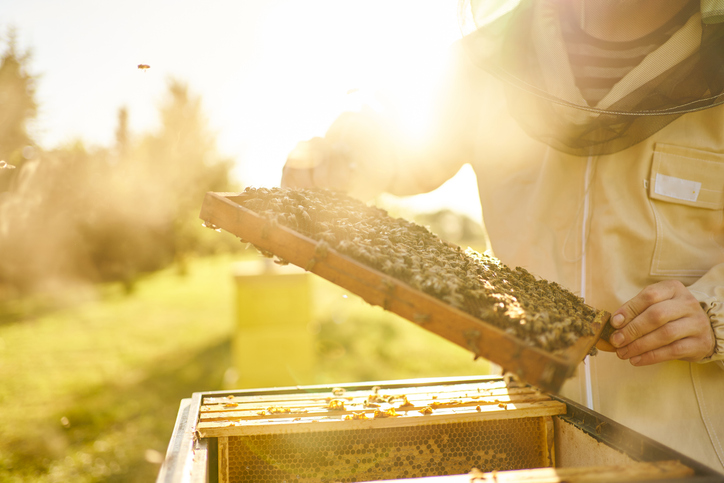
Apitourism offers visitors the opportunity to accompany a beekeeper during the honey harvesting process, discover how a hive functions, participate in honey tastings, or hike trails where flowering dictates the calendar. The goal is to understand the essential role that bees and other pollinators play in maintaining ecosystem balance and food production.
The relevance of this activity extends beyond gastronomic interest; according to the FAO, more than 75% of food crops depend to some degree on pollination. Fruits, vegetables, nuts, and seeds are all part of the chain sustained by bees and other pollinators. Beekeeping tourism serves as a tool for raising awareness, helping visitors understand that honey is more than just an end product, it is the result of an interaction between biodiversity, climate, and traditional knowledge.
Spain boasts particularly favorable conditions for its development, thanks to its diversity of landscapes, climates, and flowering seasons. Notably, in La Alcarria (Guadalajara), honey holds Protected Designation of Origin (PDO) status, a recognition that highlights the unique characteristics directly dependent on the local flora. Under this designation, 28 companies are grouped within a geographic area covering nearly 230 producing municipalities. Among them, Colmenar Valderromero exemplifies family-run beekeeping operations working with different varieties under the PDO, representing a production model tied to the territory that respects biodiversity and tradition. Visitors can enjoy this experience through hive observation, as well as tours of the workshop, tastings of different varieties, and visits to the museum to connect with the region's beekeeping heritage.
Three experiences among the bees
In many cases, apitourism generates a collaborative network among small producers, rural accommodations, restaurants, and educational centers. Thus, honey ceases to be an isolated product and becomes the link connecting different tourism experiences.
In Sierra de Segaria, Alicante, El Serralet de Segària, a family business with over 80 years in the beekeeping sector, offers visitors the opportunity to learn firsthand how bees are cared for and raised, as well as to understand the honey production process and other derivative products. By purchasing local, artisanal products, visitors also support small businesses and the regional economy.
Another example of these activities is Miel Montgó, an Alicante-based company whose primary focus is the production of 100% natural and organic honey. The experience combines guided tours, workshops, and tastings in the setting of the Montgó Natural Park in Dénia. Additionally, the company offers a hive sponsorship program for businesses and professionals, aiming to raise awareness about the importance of caring for both bees and biodiversity.
In the Sierra Norte de Madrid, Ariki Apicultura, a sustainable beekeeping project with a strong educational component, invites visitors to become beekeepers for a day. Its educational tours combine environmental education and rural development, with offerings ranging from natural cosmetics workshops using beeswax and propolis to specialized honey tastings, a practice some are already calling api-gastronomy. These initiatives not only allow visitors to learn about the honey production process but also to understand the strategic importance of pollinators for agriculture and biodiversity.
At a time when tourism is reinventing itself to reduce its impact and increase its positive contribution, proposals like apitourism point toward a more sustainable and balanced model. The aim is to promote experiences that generate value for the territory and allow us to understand the processes that sustain our environment. As the novelist Marcel Proust once said: "The real voyage of discovery consists not in seeking new landscapes, but in having new eyes."