According to the World Health Organization (WHO), access to green spaces can help improve physical and mental well-being. This is particularly important in large cities, which are home to 55% of the world's population according to the UN. Therefore, integrating nature into cities is much more than just an urban trend. According to the WHO, "it is a climate and social need."
In this regard, urban biodiversity becomes especially important. This can be defined as the set of species (plants, animals, fungi, and microorganisms) living side by side in urban environments that can harbor surprising biological richness or even serve as a critical refuge for endangered species.
How? There are many solutions beyond the classic city parks: biological corridors, green rooftops and walls, rain gardens (dug into the earth to act as natural filters and sponges), and urban forests that bring people and ecosystems together. There are also rooftops and facades that multiply the presence of pollinators, or community gardens that not only represent a commitment to organic farming for personal consumption but also create a sense of neighborhood and community.
Rain gardens and bee roofs
In this context, if urban environments are managed with ecological criteria, they can be part of the solution for preserving biodiversity.
One of the best examples of this is Singapore, which earned its nickname —"garden city" — for the open parks, green facades, and nature reserves that are integrated into the city's urban fabric. On the other side of the Atlantic we have Medellín, where green corridors have been used to reduce the average temperature in densely urbanized areas.
In Europe, Copenhagen has incorporated green solutions to manage excess rainfall, such as turning the Enghaveparken park into a preventive solution against flooding. There are underground spaces that store water and use smart climate tiles to manage rainwater and reduce pressure on the sewer system, as well as increase biodiversity and create recreational spaces.
The city of Utrecht in Holland has transformed hundreds of bus stops into shelters for bees using roofs made from sedum plants (succulents, famous for their resistance and ability to store water). Meanwhile, bees do their amazing job of pollinating and spreading biodiversity, playing a fundamental role in food security.
London took note and decided to create an 11-kilometer wildflower meadow in the neighborhood of Brent as a corridor for these insects.
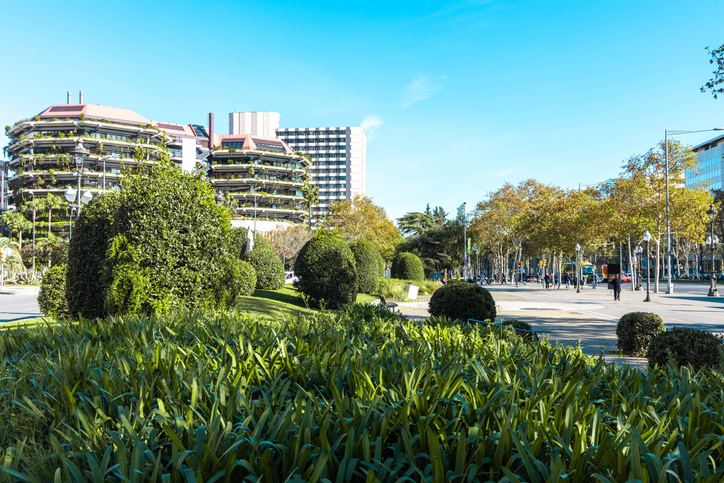
In Spain, Vitoria-Gasteiz was declared a European Green Capital for its 33-kilometer green belt that can be explored on foot or by bike, connecting periurban parks and improving ecological connectivity and sustainable mobility. Barcelona embraces biodiversity with new urban designs that incorporate green corridors and superblocks to reduce traffic and increase natural spaces.
In short, the benefits that urban biodiversity can have for people drive us to rethink how we design our cities by focusing on vegetation. Ultimately, this means fewer walls and more spaces where people can connect with nature, with the recovery of rivers and areas that contribute to the protection of native species to promote sustainability and well-being.