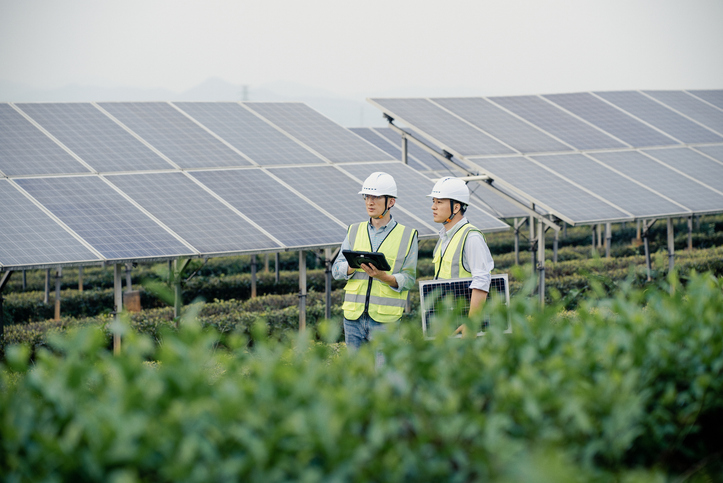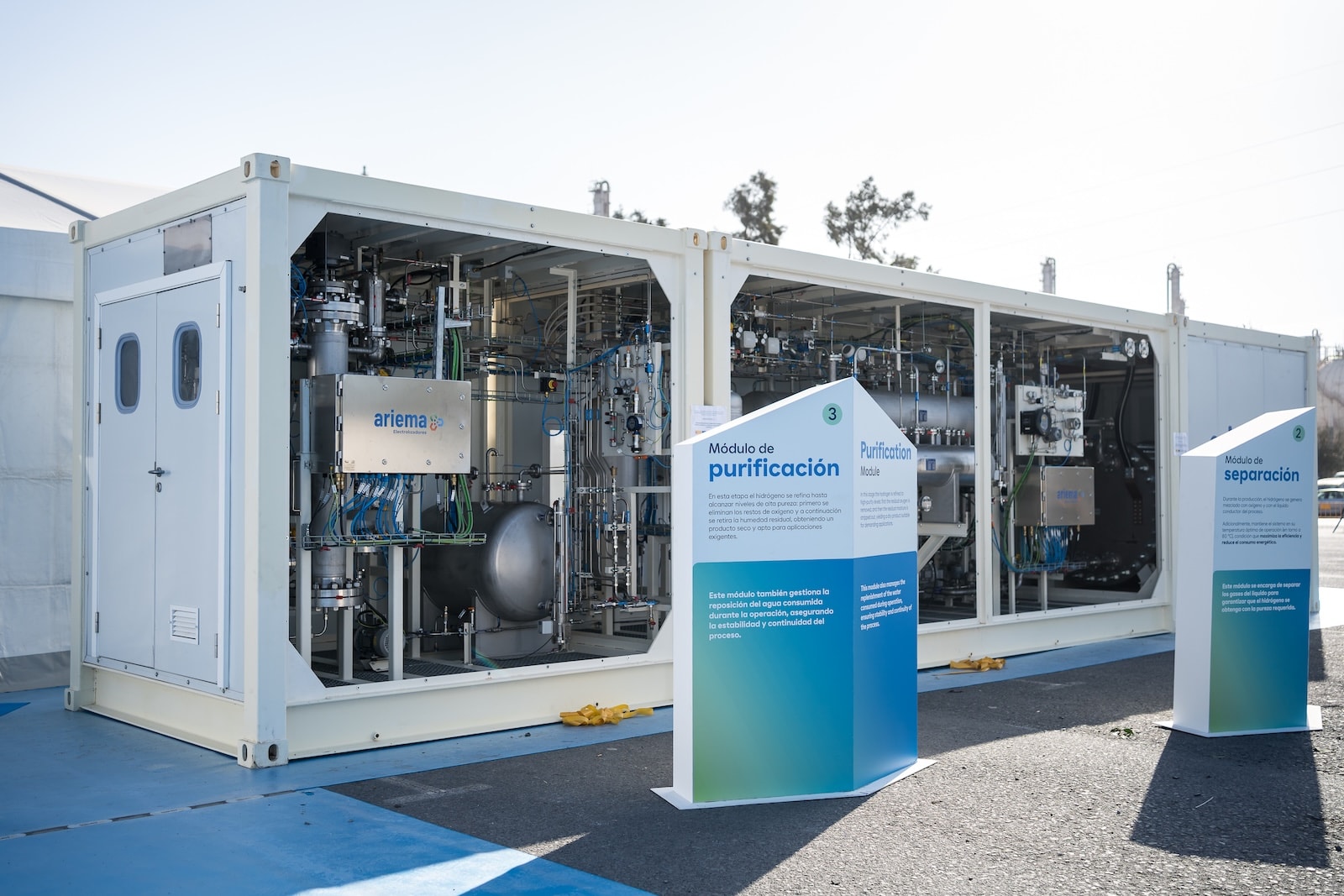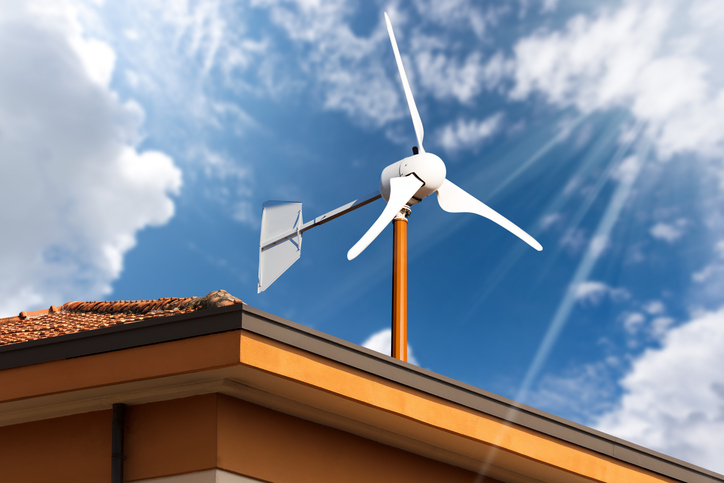
The energy transition is often associated with renewable electricity, wind farms, or solar panels. Electrification is undoubtedly a key lever in Europe’s progress toward net zero, but decarbonizing the economy also means transforming other sectors that are hard to electrify, such as energy-intensive industry and air, maritime, and heavy road transport. Along that path, green molecules, such as renewable hydrogen and its derivatives, and second-generation biofuels such as biomethane, are emerging as one of the most promising alternatives.
Biomethane is a renewable gas with virtually the same characteristics as natural gas, but with one fundamental difference: it is produced from organic waste. Agricultural, livestock, municipal, and industrial residues are no longer just waste; instead, they become an energy source that promotes the circular economy.
Its potential is such that the European Union Agency for the Cooperation of Energy Regulators (ACER) considers it the most mature option for accelerating the decarbonization of the European gas market over the next decade.
How it’s produced
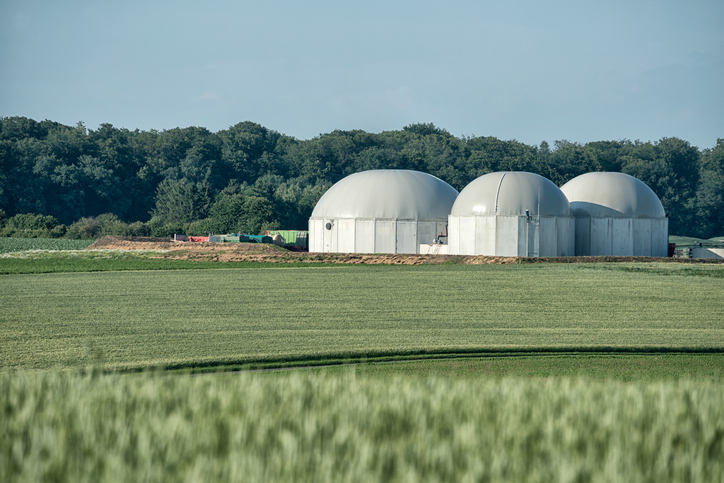
Biomethane is a renewable gas obtained from biogas. Biogas, in turn, is generated through a natural process called “anaerobic digestion” or biomethanization, in which microorganisms break down organic matter in the absence of oxygen.
Once produced, the biogas undergoes a purification process, known as upgrading, that removes impurities and increases methane concentration. Once purified, the result is a fuel of the same quality as natural gas; because the two are almost chemically identical, it can be used practically the same way.
This characteristic is one of its main advantages: it can be fed into existing gas grids without the need to build new infrastructure, making it possible to leverage the network already in place and speed up its integration into the energy system.
An opportunity to decarbonize without starting from scratch
This makes biomethane a solution that is especially attractive for accelerating the energy transition, as its level of maturity has led many experts to already regard it as one of the most accessible alternatives for decarbonizing gas use.
According to ACER, the European Union Agency for the Cooperation of Energy Regulators, this technology makes it possible to reduce emissions from the gas system immediately, while also lowering dependence on fossil fuel imports.
Much of the gas consumed in the European Union currently comes from outside its borders, a situation that has become even more significant in light of the geopolitical instability of the past five years. Increasing renewable gas production within Europe would therefore help boost the continent’s energy autonomy and drive industrial development linked to renewable energy.
Spain, among the countries with the greatest potential
In this context, Spain has particularly favorable conditions for developing biomethane. Its abundance of agricultural and livestock waste, together with the availability of forest biomass and municipal waste, places the country among the European markets with the greatest growth potential.
This potential is also reflected in initiatives already underway at the national level. In May 2026, the Ministry for the Ecological Transition and the Demographic Challenge (MITECO) presented a draft royal decree to promote the gradual incorporation of biomethane into the natural gas market through minimum penetration quotas.
That potential is already beginning to materialize, confirming the growth of this renewable technology. In 2021, Spain had just one biomethane plant in operation; by early 2026, 24 were up and running, 21 of which were injecting biomethane directly into the gas grid.
A future full of potential
Although biomethane has yet to reach its full development in Spain, its potential is increasingly evident. The European target is annual production of 35 billion cubic meters by 2030, a goal that will drive new investment, project development, and the consolidation of a regulatory framework that supports its expansion.
The biomethane opportunity goes beyond renewable energy production. With a unique resource base and a rapidly expanding market, the challenge for Spain is no longer so much identifying the potential as accelerating its development to turn it into a competitive advantage.