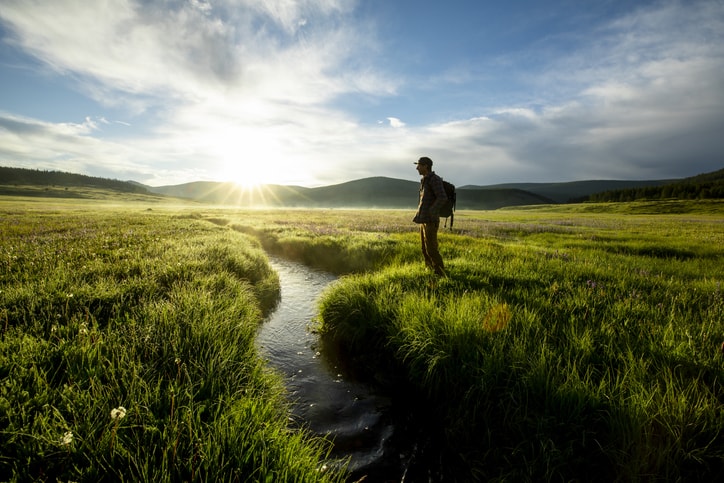
Starting a business in rural areas is a viable option that is becoming increasingly popular among many young people today. A new generation of professionals is moving away from big cities and returning to the towns where their parents and grandparents lived; or to rural areas where they hope to build a life that combines technology with the local landscape, helping to make the local economy more resilient.
Thanks to improved connectivity in many rural areas, digital skills are opening up new opportunities and driving change in small towns. These projects yield measurable benefits, such as economic returns, collaboration with local residents and government agencies, and environmental regeneration. For example, holapueblo connects people seeking a different quality of life with places in need of residents, or with initiatives focused on specific technological solutions—such as installing network-connected sensors to cooperatively optimize water use and save up to 20%, as proposed by BrioAgro. Furthermore, priorities have shifted, as for many young people, starting a business in rural areas also means accessing a higher quality of life, reducing costs, reconnecting with the environment, and developing projects with a clearer purpose. The region is becoming a space where it is possible to innovate and build models of life and business that are more committed to social, economic, and environmental development.
Promoting Young Agriculture
The 2024 Annual Report on Agriculture, Fisheries, and Food Indicators states that the Spanish rural environment is home to more than 7.5 million people. However, only 9% of farmers and livestock farmers are under 40 years old, and two out of three producers are expected to retire before 2030. In response, the European Union has allocated 220 million euros to encourage young people to join the rural workforce, demonstrating a significant commitment to supporting the entry of the youngest generation into the sector. Moreover, young people bring a fresh perspective to the countryside, often launching new projects with the clear purpose of caring for and positively impacting the environment.
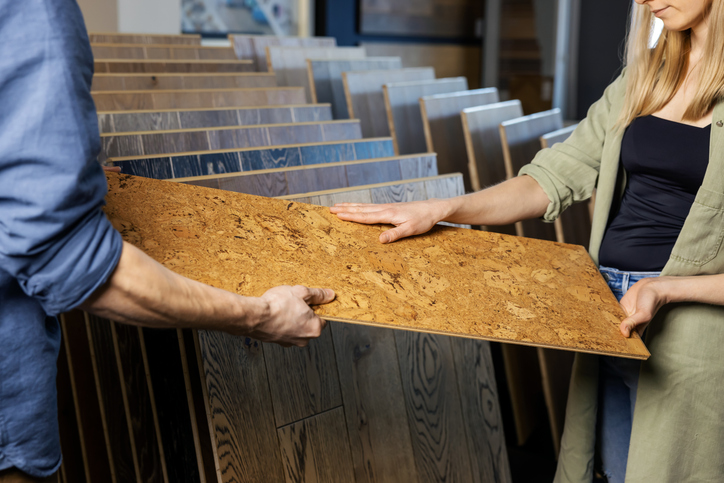
Thus, circular economy initiatives are emerging that take advantage of local resources, such as wood, wild plants, or the sun, to create products and services that do not harm the environment. This encourages a more balanced and sustainable way of life, something that new generations increasingly value.
Intergenerational Collaboration
Another key aspect is intergenerational collaboration, which is essential to ensuring the continuity and evolution of the rural environment. Young people who move to these areas in search of job opportunities often have technical training and are naturally adept at using digital tools, which allows them to optimize processes. However, this knowledge must be supplemented by the experience of those who have worked and lived there their whole lives.
The elderly bring years of practice and an in-depth knowledge of the environment. This combination of traditional knowledge and new competencies is especially valuable in a context where sustainability and efficiency are priorities. In this regard, programs like CULTIVA, which received 1.2 million euros in its latest round of funding, play an important role. Thanks to this initiative, young farmers and livestock farmers can participate in training stays at model farms in other autonomous regions.
The LEADER Program, promoted by the European Union, funds projects that diversify the rural economy. These projects range from sustainable tourism to social and cultural innovation to local entrepreneurship. The program's value lies in its approach of making decisions from within the territory itself through local action groups, which promotes solutions adapted to each community.
The future of rural areas ultimately depends on strategically combining digital innovation, local expertise and knowledge, and the enthusiasm of young people to ensure a smooth generational transition. This approach can transform villages from mere stopovers or departure points into vibrant hubs of a more sustainable way of life.