Textile circularity is advancing thanks to a greater commitment in the European Union to recycling, selling, reusing and redesigning new styles with old garments. In fact, three out of five Spaniards already opt for second-hand stores, apps, or exchanges to update their wardrobe, according to the Barcelona Business School (EAE).
And in this context, Spanish fashion has also rolled up its sleeves to innovate and create in a more responsible and sustainable way, with engineering as its great ally. An example of all this is Sepiia 2080L, the company that won the National Innovation Award from the Ministry of Science, Innovation and Universities in 2025 in the small and medium-sized companies category. Their most illustrious clients include King Felipe VI and Letizia.
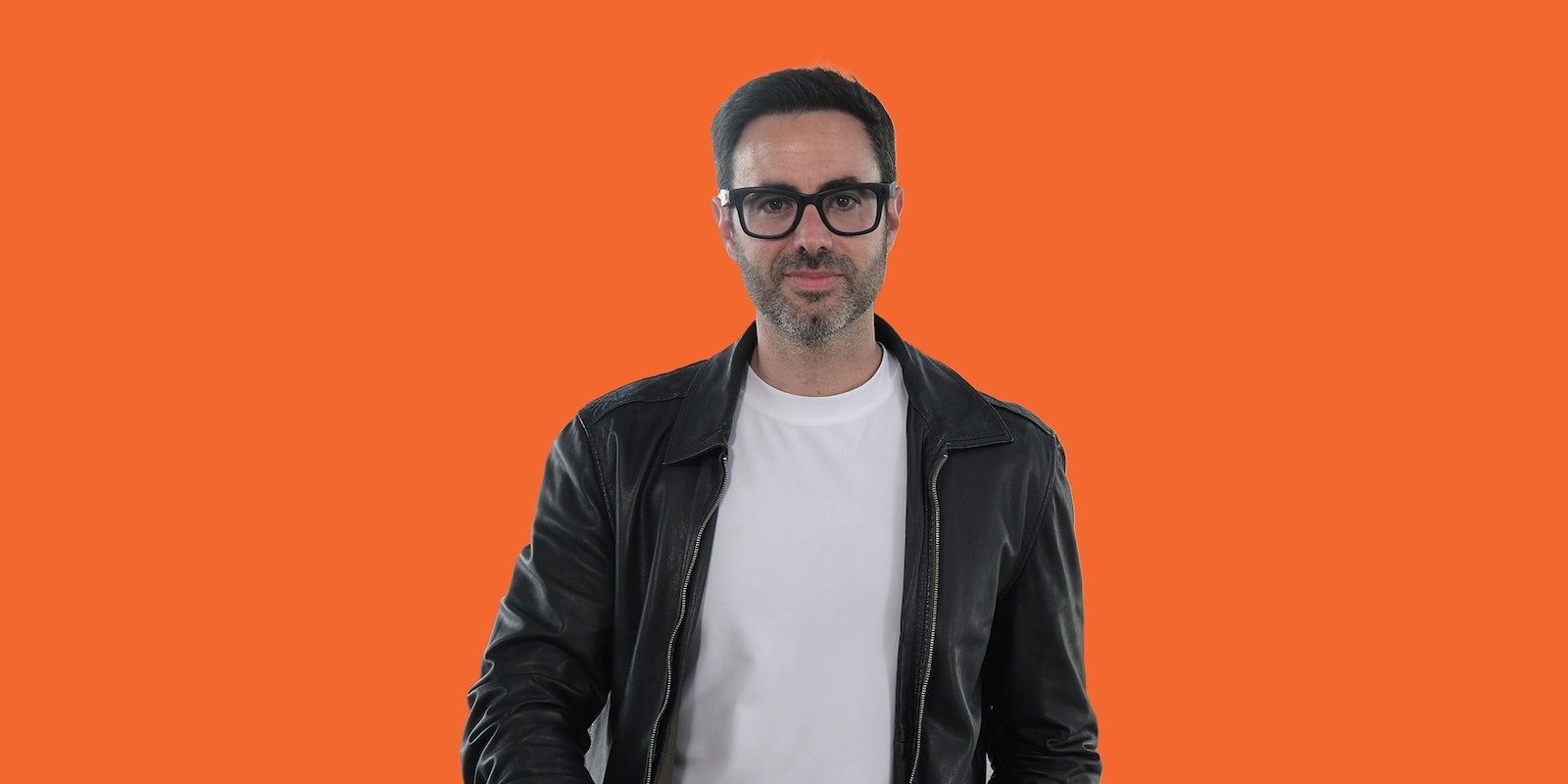
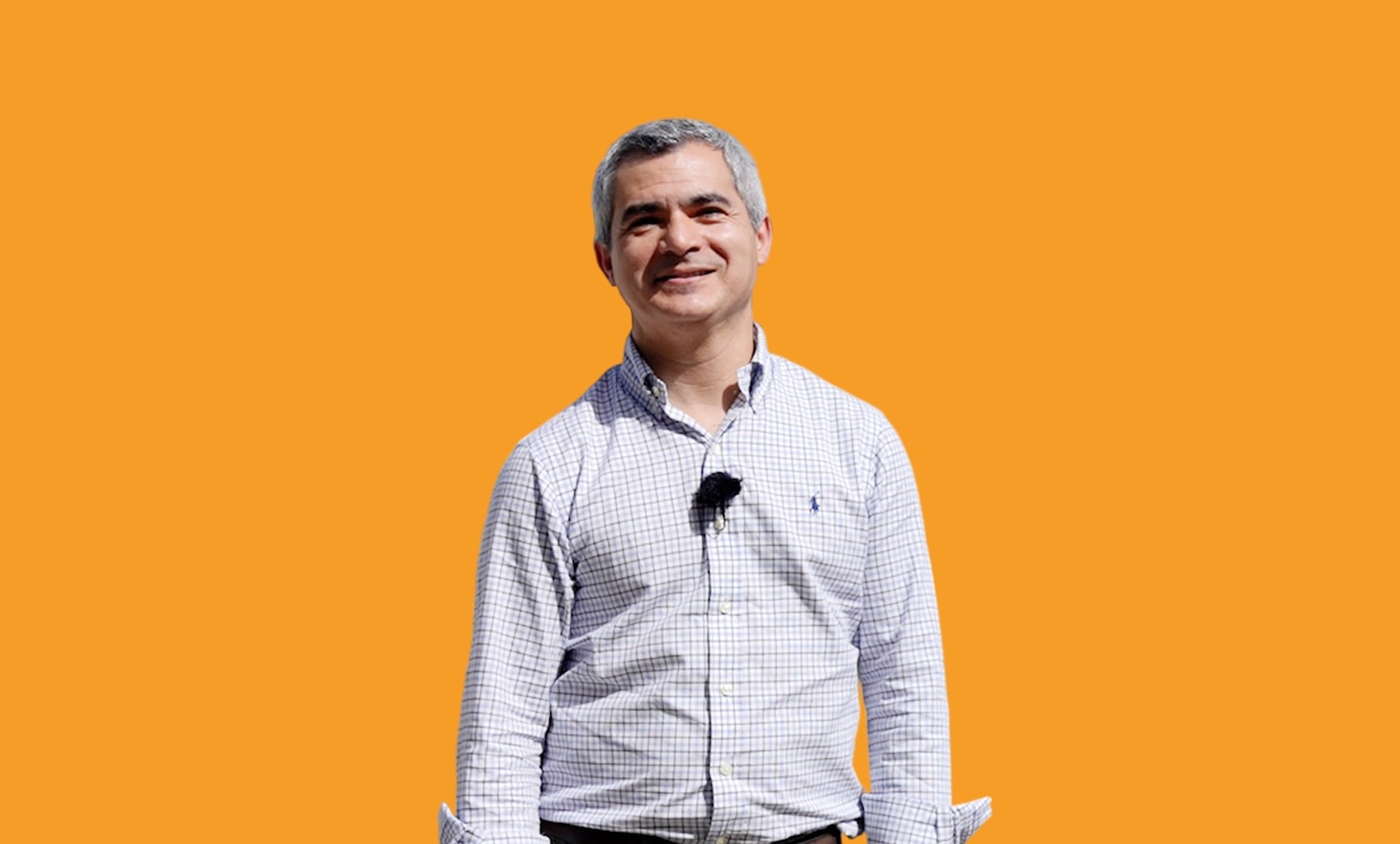
Behind the brand is Federico Sainz de Robles, founder and CEO of a company that takes its name from the color of old photographs that best withstand sunlight, but also from the marine animal that changes color and shape in seconds, thanks to cells called chromophorous.
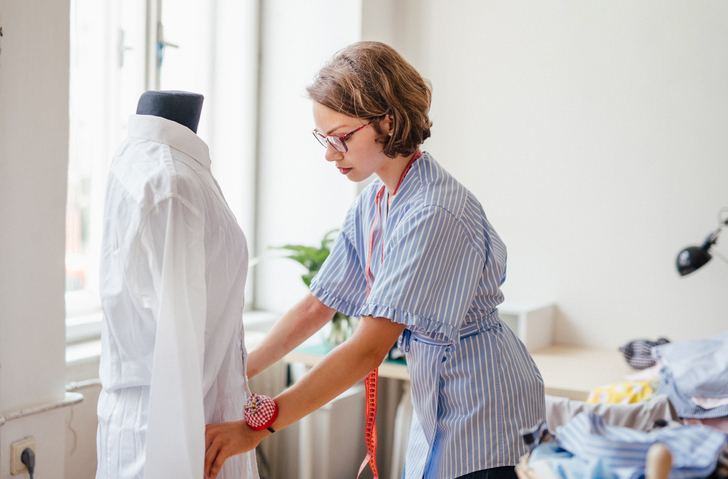
This industrial engineer and his team have been able to devise and patent a new eco-friendly fabric for functional garments that are essentially comfortable and simple, but without compromising on design quality and fashion. "It is a technical fiber made of 100% antibacterial polyester with silver nanoparticles that neutralize bacteria," they emphasize, and with "0% shrinkage after tests conducted in AITEX laboratories." Their structure makes them unique, with the company working with four lines of fabrics: Sepiia (all-terrain fibers); Nova (thermoregulator), Warm (insulator made from hollow thread), and Ranger (natural texture that uses marine waste).
"Clothing is an everyday item that accompanies us throughout our lives, and the goal is to make it better for people and for the planet," says the company, which started in 2016. "We make clothes that make your life easier or smart clothes for everyday life. Well-designed clothing, always ready for more comfort with less maintenance, all-terrain and thermoregulating fibers in versatile and resistant garments."
Thanks to their manufacturing and treatment, the fabrics have the quality of technical garments and the unique feature of being wrinkle-free, iron-free, stain-resistant and even odor-resistant with an antibacterial component, thus requiring less washing, and thereby reducing energy consumption.
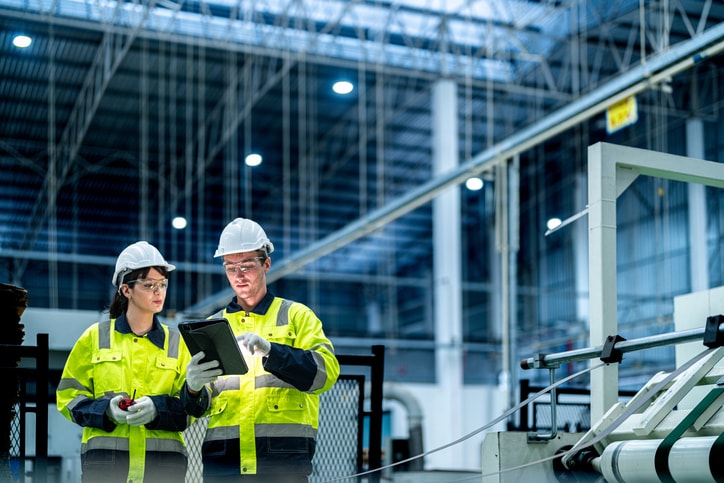
De Robles explains that they work with mono-material fibers made from other recycled garments as part of their commitment to the circular economy, sustainable fashion, and environmental responsibility with 100% manufacturing technologies and laboratories in Spain, centered in the Valencian community, with connections to Girona and Albacete, and three physical stores in Madrid, Barcelona, and Córdoba.
It is all about extending the useful life of the garment. Innovation and textile circularity that benefit the planet without compromising on functionality and design, sustainable fashion 100% made in Spain.