Can art revitalize a town? Genalguacil, a municipality in Málaga, lost 70% of its population; today it stands as a global model of rural innovation. Through its renowned “Art Encounters”, its streets have become a living museum that creates jobs, curbs youth exodus, and draws international attention.
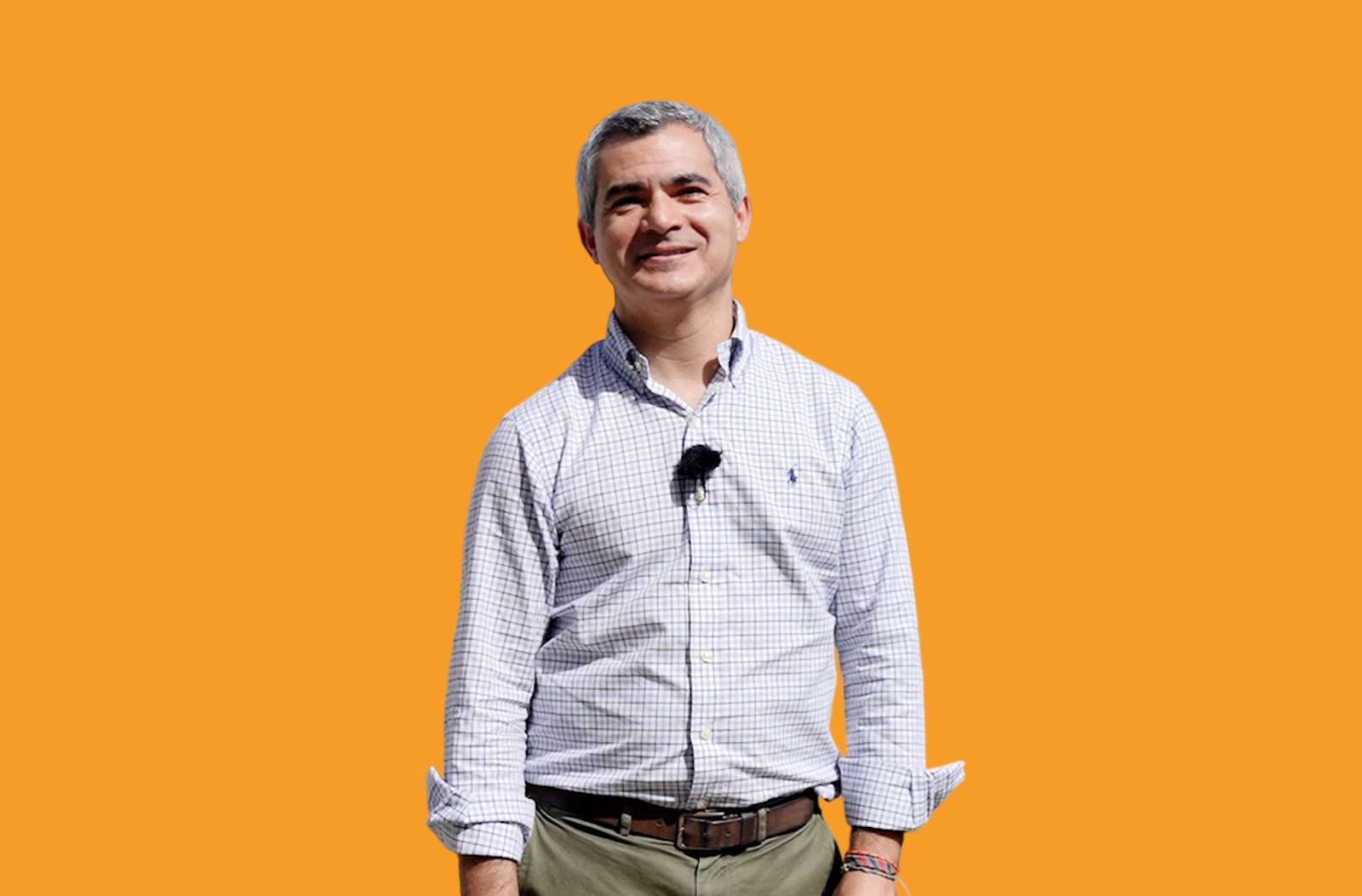
The town of Genalguacil, in the province of Málaga, went from 1,500 residents in the 1950s to barely 400 today. To fight that trend, in 1994 the town began organizing gatherings of craftspeople and artists who created works that turned its streets into an open-air museum. More than 30 years later, this initiative has not only halted depopulation but has also served as a model for neighboring municipalities, generated economic progress in the area, and built numerous partnerships with public and private institutions both in Spain and abroad. Genalguacil’s mayor, Miguel Ángel Herrera Gutiérrez, explains how it happened.
How did those first encounters between residents and artists come about, eventually turning Genalguacil into a “Museum Town”?
Genalguacil is a small town in the Genal Valley, in Málaga, one of the areas of Andalusia hit hardest by depopulation. In 1994, we had to find a way to fight depopulation, so we created art encounters designed to bring in artists and craftspeople to live alongside the town and produce work that would remain as part of Genalguacil’s heritage. I took office as mayor in 2011, with a team that decided to build on that momentum, that seed of a cultural initiative, and we committed to showcasing and amplifying it in a fully professional context, one where art and culture become fundamental pillars for our town’s development.
At what point did that modest gathering of different artists solidify into a medium-term model for revitalizing the rural population? Has the population recovery actually worked?
When we took office in 2011, one of the challenges we faced was that we were on the verge of losing our school. Through the development of several projects, such as the growth of the Contemporary Art Museum itself and the expansion of the Open-Air Museum, we saw craftspeople and artists settle in our town, reviving the population and enabling new economic initiatives, like bars and restaurants. Two years later, we were able to get a teacher back. Today, we have more children in school. This example perfectly illustrates the real impact art and culture can have in rural areas.
What impact has it had, and how has Genalguacil transformed since becoming one of the country’s leading centers of art?
For us, it was very important to mobilize professionals from the art and culture sector to support and strengthen the project. If I had to sum up the most important thing that has happened in Genalguacil from 2011 until now, I’d put it in one word: hope.
The great shift has been moving away from a momentum that was pushing the town toward depopulation and toward one of hope, which has brought entrepreneurial opportunities and created market niches in art and craftsmanship. Our example has been replicated in other regions and projects, such as Horizon Europe, developed together with the European Commission. Genalguacil has gone from being a place without hope to one generating momentum, not only around entrepreneurship, but also connected to people coming from the world of art and culture.
Even though it’s currently the only “Museum Town” in the world, can Genalguacil’s example serve as a model for other towns in other regions to improve and drive their own development?
Absolutely. Another thing we’re very proud of is how Genalguacil has served as an example and a trailblazer for other towns, which are now developing artist residency programs, small exhibition spaces, and more, especially among the other 15 municipalities in the Genal Valley, which have launched cultural initiatives tied to the local territory. That has a direct impact on the sustainability of these municipalities and allows us to keep living here, working together. The Genal Valley itself has become a magnet drawing in many people.
Today it’s a project that can be replicated because it follows a very simple methodology: it centers on the participation of local residents, who are involved in co-creating artistic research programs. The bond between residents and artists has been key.
How do tradition, art, culture, and nature come together to generate economic impact in the area?
We always try to weave these four pillars (tradition, art, culture, and nature) into every program we run in our municipality. For example, in the artistic research programs, with artists living alongside residents, you see the importance of tradition and of working as a community. In many cases we've recovered part of our historical memory (the mining that once took place in Genalguacil, the importance of the lime whitewashing heritage of our houses), and nature has also helped us tell our story. Honoring these four pillars also connects to the local, zero-kilometer products sold at the Contemporary Art Museum, which give rise to business initiatives involving residents. What's more, many people interested in art and culture have settled here after seeing Genalguacil as a showcase where they can sell their work.
How are residents responding to this now well-established initiative?
The fact that the Genalguacil Museum Town project has lasted more than 30 years is thanks to the residents themselves, who have taken part in the artists’ creative processes ever since 1994. That has strengthened the bond between artists and residents. In fact, the exhibits put together for the Contemporary Art Museum are designed so that residents, when they walk into the museum gallery, can recognize themselves in the work. That carries real value for the community itself.
Each year, artists from around the world compete in the Art Encounter, not just from Spain, but from the United States, Germany, Argentina, Italy, Mexico, Peru, Greece, Venezuela, India, and Sweden. What’s the selection criteria?
The Genalguacil art encounter residency is created through a public call for proposals; this year, 2026, we received more than a hundred submissions. We have a prestigious jury that changes every year and selects the projects that will take part in each edition. Alongside that, we’re developing other initiatives and agreements with institutions, such as the one we have with the government of Taiwan, with the Glasgow School of Art, with NTNU in Norway, and we've hosted residents from the Academy of Fine Arts in Vienna. Genalguacil has become a showcase that public and private institutions alike want to be part of, coming here to support and take part in our town.
Is there any kind of partnership established with the governments of the participating countries?
With the government of Taiwan, with whom we’ve now collaborated for a second time, we have a very good relationship. They fund Genalguacil’s projects, and we try to keep it a balanced, collaborative arrangement that fits the town’s needs, meaning the artist doesn’t arrive with a predetermined project, but instead co-creates it with residents. For us, the most important thing is that the different governments understand that this is one of the key premises, which in turn enriches the artist’s own experience.
Thirty-two years after the first edition of these Art Encounters, how would you assess them?
After so many years of navigating this alone, it’s very rewarding to have changed the narrative. Back in 2011, people told us we couldn’t have a Contemporary Art Museum, that it would be impossible to host artist residencies or stand out in that world. But today, Genalguacil is one of the leading examples of rural innovation, and not just in Spain. We work on several European projects, we’ve created a rural innovation lab (LAB Genalguacil), and we have a stand at ARCO, and we keep fighting for our dreams. I like to say you have to steer clear of dream killers. Art and culture have made it possible for our town to fulfill the dream that many of us, myself included, once had: to come back home.