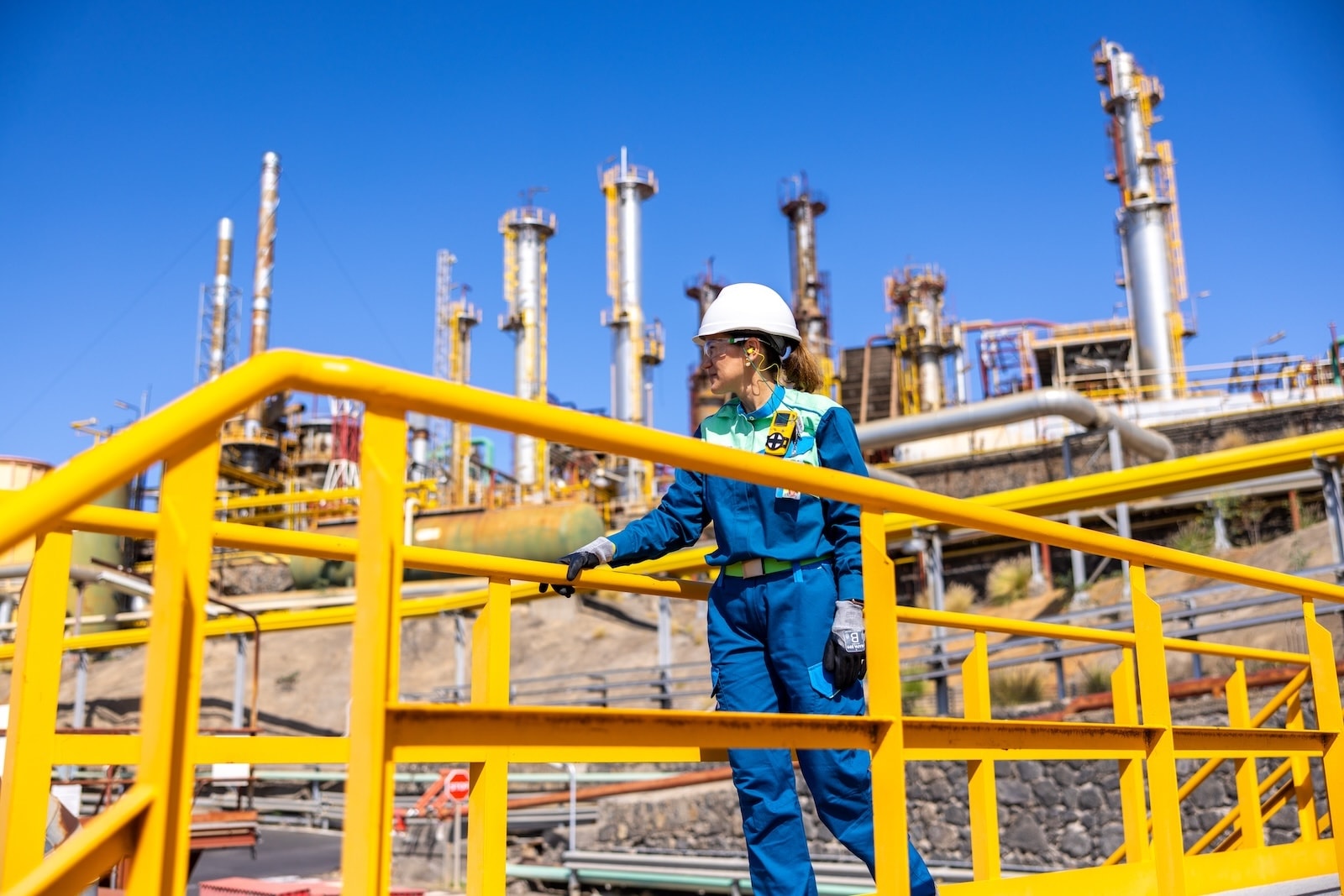
Optimizing energy resources is one of the greatest challenges facing the global economy and industry, but it is also an opportunity. Until now, traditional methods wasted a share of thermal energy as waste heat that escaped into the atmosphere through smokestacks. Cogeneration is the technology that remedies this shortcoming, and it is emerging as both a solution and a fundamental pillar of greater energy efficiency in the industrial sector, with a smaller environmental footprint.
Cogeneration is one of the main levers for decarbonizing Spanish industry, helping avoid around 4 million metric tons of CO₂ per year in Spain thanks to its high energy efficiency. Its ability to produce electricity and useful heat simultaneously reduces fuel consumption, improves industrial competitiveness, and contributes significantly to energy transition goals.
According to the theoretical definition provided by the Institute for Diversification and Saving of Energy (IDAE), cogeneration is a system based on the combined, sequential production of mechanical or electrical energy and useful thermal energy. In other words, it is not two independent processes, but rather a single, integrated dual operation in which the heat produced while generating electricity is not wasted but recovered and put to use in thermal applications in industry, the service sector, and homes, such as space heating, radiant floor heating, or domestic hot water.
How does cogeneration work?
The fundamental principle behind how cogeneration works is the recovery of exhaust gases from engines and turbines. In a cogeneration plant, the primary fuel, usually natural gas or biogas, is burned at high temperatures in a reciprocating engine or a gas turbine.
During this process, mechanical energy is generated which, when coupled to an alternator, is converted into electric current ready to be fed into the grid. Unlike in a conventional industrial plant, in cogeneration these high-temperature waste gases are captured and channeled to heat exchangers or heat recovery boilers.
It is at this stage that the thermal energy is transferred to carrier fluids in the form of steam, hot water, or thermal oil. What for? Their heat content makes them highly valuable for industrial processes such as drying, fluid heating, pasteurization, and refining, as well as for supplying district heating networks or the boilers of a healthcare facility.
Trigeneration: power, heat, and cooling!
What happens if we add cooling to the cogeneration equation? The result is known as trigeneration. Waste heat recovered from the engines is used as an energy source to drive a reverse thermal cycle that produces chilled water.
In other words, it takes things one step further by integrating cooling production into the system to achieve maximum technical efficiency, which is particularly useful in industries such as food processing and pharmaceuticals, or in large buildings such as research centers and data centers.
More than 600 factories in Spain use cogeneration in their processes, including such well-known brands as El Pozo and Central Lechera Asturiana. At their main plants, they integrate cogeneration to generate the electricity their machinery requires while recovering high-temperature steam for sterilization, line cleaning, and pasteurization processes.
And it is not limited to the food industry. Other companies, such as Porcelanosa, in the ceramics industry, and SEAT and Ford, in the automotive sector, also apply cogeneration to their production processes. The SEAT plant in Martorell, Barcelona, has cogeneration facilities, while Ford's Almussafes plant is a benchmark example of trigeneration, as it uses steam to produce cooling for its paint booths, while the plant's waste heat powers the ovens that dry the paint on car bodies, delivering a twofold benefit: economic and environmental.
In this context, MOEVE operates a portfolio of seven high-efficiency gas-turbine cogeneration plants that generate steam at EPK and MCh by harnessing the energy contained in natural gas as efficiently as possible.
Cogeneration with an eye on the future
The Spanish Cogeneration Association (ACOGEN) noted in a recent report that approximately 20% of the country’s industrial GDP is produced using cogeneration systems. The energy generated has an estimated market value of €7 billion per year. In short, the association stresses that an integrated plant is more profitable and efficient than a conventional one, since it generates two forms of energy from the same source with lower consumption and better performance.
The Ministry for the Ecological Transition and the Demographic Challenge, through programs managed by IDAE such as RENOCOGEN, provides funding to help industrial facilities attain the legal status of "High-Efficiency Cogeneration," as defined by European Union directives for plants that demonstrate primary energy savings of more than 10% compared with the reference values for separate production.
The Ministry has also recently launched a high-efficiency cogeneration auction, which represents a strategic opportunity to renew older industrial plants and provides a framework that encourages replacing obsolete equipment with more efficient, competitive facilities.
Thanks to these calls, industrial companies can undertake modernization investments that improve energy use, reduce operating costs, and meet current efficiency requirements. In addition, renewing the cogeneration fleet helps keep industry competitive, extends the service life of the associated production processes, and ensures that facilities continue to add value in an increasingly demanding energy landscape.
Ultimately, the value of cogeneration technology rests on purely physical logic: maximizing thermal and electrical output to optimize heat production while avoiding process losses. And it paves the way toward energy efficiency for a sustainable future.