Optimizing and sharing resources, cutting costs, and generating a positive impact on the local community with a smaller environmental footprint. This is the theoretical and practical philosophy underlying industrial symbiosis, which is emerging as the key strategic alliance of the 21st century for gains in efficiency and sustainability.
In other words, what one industrial plant would normally discard now becomes the raw material another plant needs to run its machinery, in a cooperative formula within the circular economy. This approach is so significant that the European Commission, under its Circular Economy Action Plan, actively encourages its member states to create industrial symbiosis platforms in line with the guidelines already established.
The etymology of the word “symbiosis” comes from the Greek and means “living together”. It is closely tied to biology, where it describes a mutually beneficial relationship between two different organisms. Applied to the corporate ecosystem, this concept becomes a business strategy in which traditionally independent industries collaborate to jointly improve their environmental and economic performance.
The fundamental principle is simple: the byproducts generated by one factory’s production processes become the base material or energy source for another. For this to work, a certain degree of geographic proximity and a well-planned exchange infrastructure are required. In this way, surplus material or waste flows between facilities, optimizing the use of every available resource already generated, without the impact and cost of producing something new.
However, implementing this strategy requires a rigorous initial assessment through a Material Flow Analysis (MFA) to quantitatively map the inputs and outputs of each industrial plant in the area. With this report, carried out by highly specialized technicians and consulting firms, it becomes possible to pinpoint which byproduct streams, water volumes, or thermal surpluses are losing value, in order to design viable connections between sectors.
Energy synergies: Shared heat and steam
In practice, these industrial symbiosis agreements between companies are typically classified into several categories according to the resource being shared. The exchange of physical materials is the most common. For example, the ash generated by the combustion process at a thermal power plant, or the sludge from a wastewater treatment plant, can already be used directly by a cement factory as stable aggregate, avoiding the need to extract new raw materials.
The energy sector, in particular, is one of the fields where this model is able to unlock its greatest potential. Moeve and Saint-Gobain Weber maintain a strategic alliance to recycle catalysts from energy facilities, reusing 100 tons of waste every year.
Another example can be found in the development of 2G biofuels, produced from organic waste, such as used cooking oil, agricultural or livestock waste, forest biomass, and others, a key solution for advancing the decarbonization of hard-to-electrify sectors.
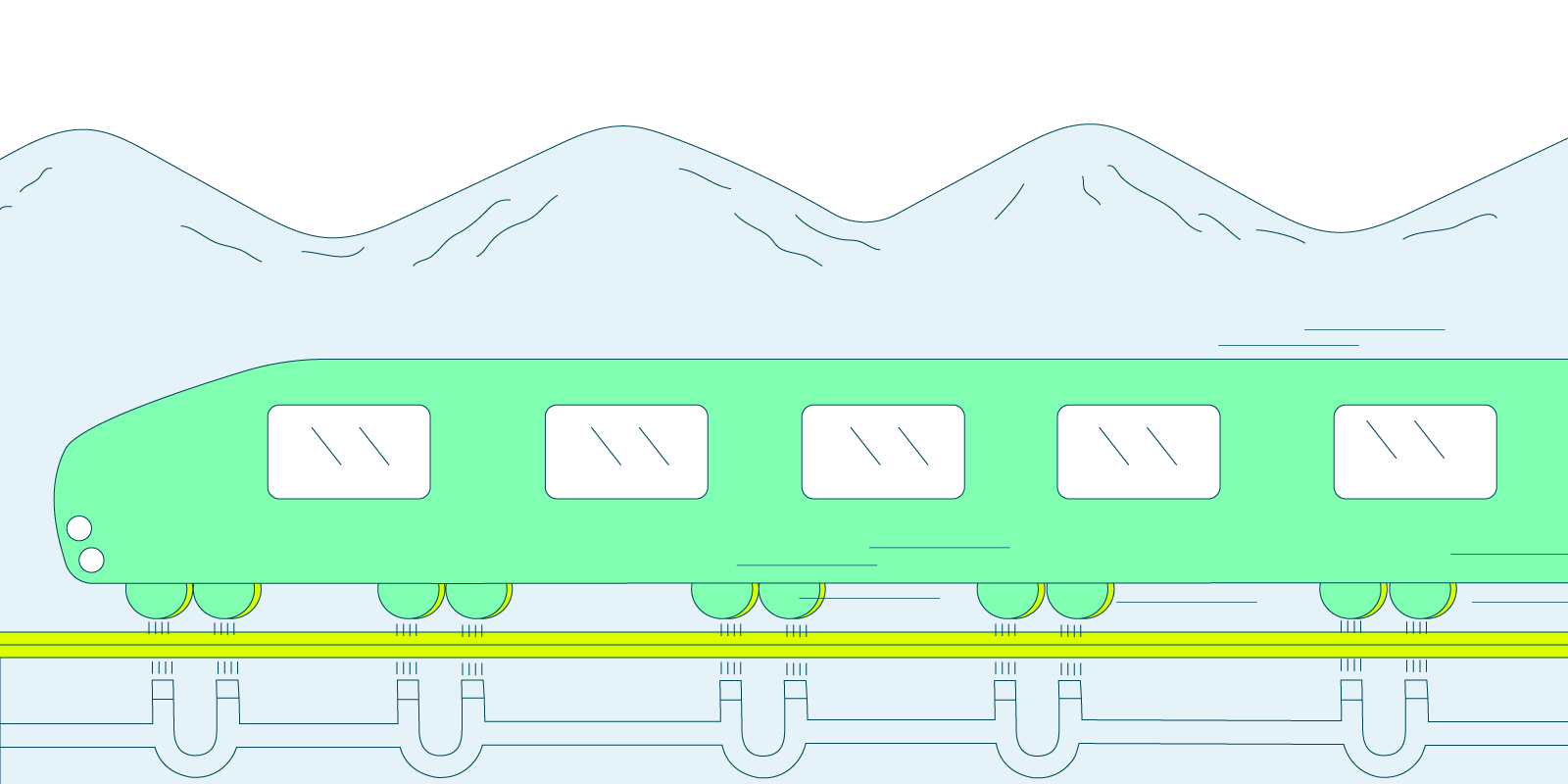
Many heavy industries generate large amounts of waste heat or steam during their manufacturing processes, as noted by the European Cluster Collaboration Platform (ECCP) in its work on industrial symbiosis. By installing shared pipe networks and heat exchangers, this thermal surplus is transferred directly to neighboring industries for their own drying, distillation, or heating systems, reducing the demand for new fuel.
Water management is likewise optimized under the principle of cascading use, as concluded in a recent study by the Paterna Municipal Office of Industrial Symbiosis (OSIPAT), developed in collaboration with the Chair in Sustainable Municipalities at the University of Valencia. Water used by a company, after passing through a shared treatment plant within the industrial park, is not returned to the sewer system but instead retains a quality suitable for secondary processes. The cooling towers of a power plant, for example, can be supplied with treated water from a food processing company, easing pressure on local aquifers.
Moeve is also moving in this direction through an agreement with Arcgisa, the public water and services utility for the Campo de Gibraltar area, to use recycled water from the wastewater treatment plant that serves the region at its industrial facilities, reusing all 4.2 million cubic meters of water the plant treats each year.
The Danish paradigm: Kalundborg
One of the most iconic examples of industrial symbiosis is located in Denmark, in the Kalundborg fjord, in the northwest of the Zealand region. For decades, an energy company, a power plant, a plasterboard factory, and a pharmaceutical company have been exchanging water, steam, gas, and sludge.
The Kalundborg Symbiosis website details the exact energy and water flows of this pioneering ecosystem, which other companies and countries around the world look to as a model. What began as a series of private agreements between firms to cut costs has become a global benchmark for eco-industrial parks, promoted by the United Nations through UNIDO, the industrial development organization particularly focused on emerging economies, to foster resource efficiency.
Beyond byproducts, industrial symbiosis also encompasses the joint management of shared services. Companies located within the same industrial park can share water treatment plants, transportation networks, or waste management systems, reducing both costs and environmental impact, as is the case with Aitasa in Tarragona, within the chemical hub in which the Spanish multinational energy company also participates.
Ultimately, the business landscape is transformed and improved through cooperative networks. Industrial symbiosis is emerging as a key operational tool for the circular economy—a model in which companies are able to plan cross-flows of water, heat, and other process byproducts to maximize energy performance and add new value to waste.