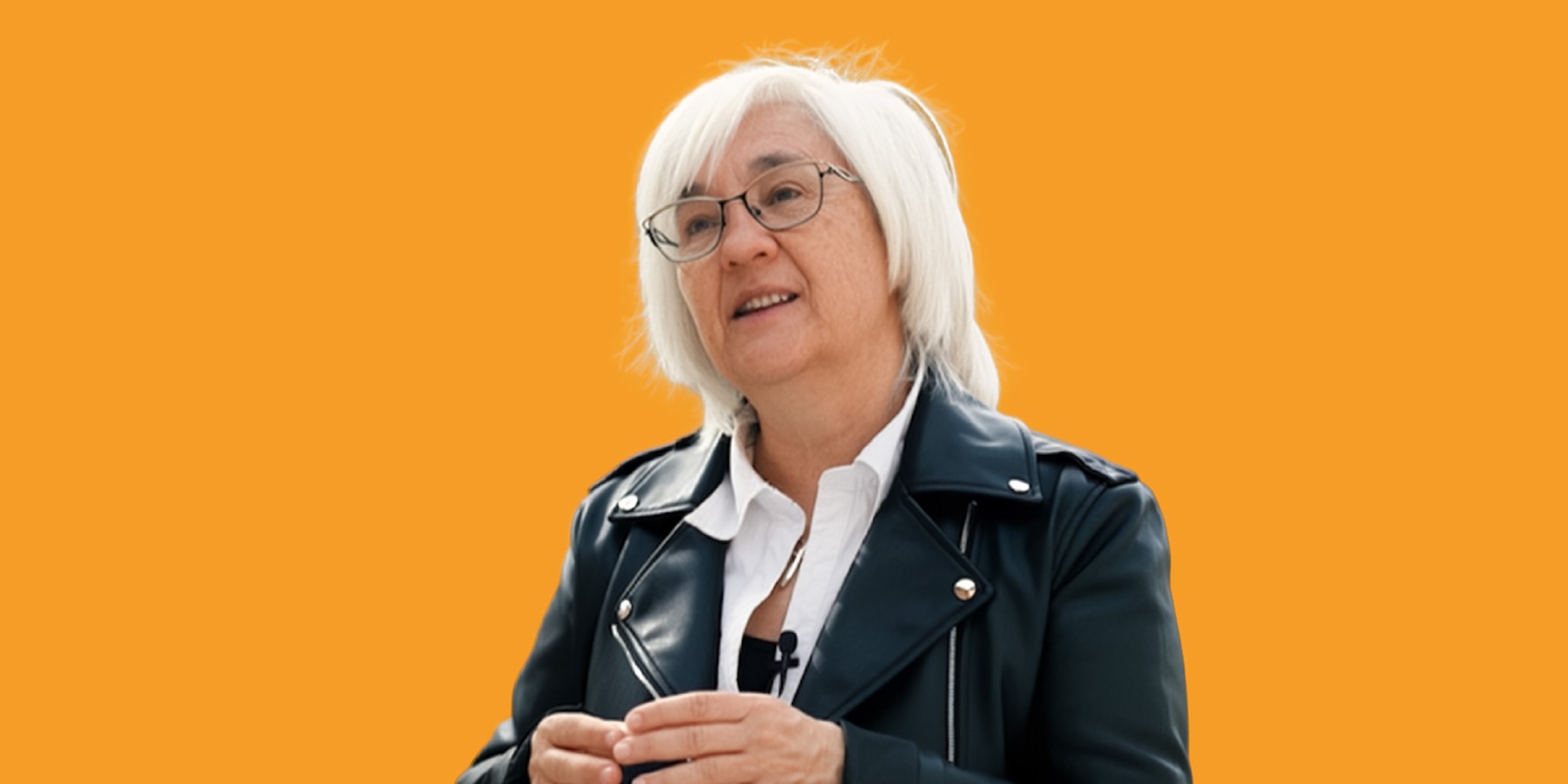
Isabel Moragriega, Secretary and Director of the Foundation, explains how these projects are strengthening the identity and value of Calamocha and its surrounding area.
How did the washhouse initiative come about, and what are its goals?
The Calamocha Wool Washhouse project began in 2008, coinciding with the Zaragoza Expo, whose central theme was water. It is part of a larger initiative, the Roman Bridge Ethnological Park, which aims to restore all the elements of hydraulic heritage that were historically significant and contributed to the territory's economic development through water.
What heritage and symbolic value does this washhouse have?
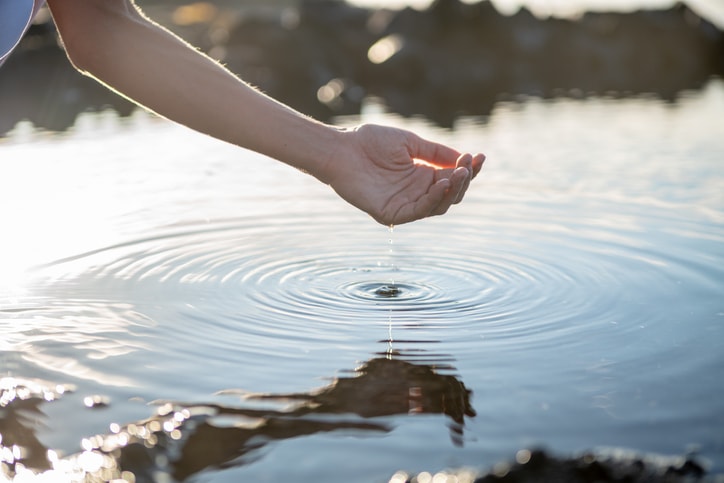
The wool washhouse, like the other elements in its surroundings, helps highlight the value of water as one of Calamocha's main sources of wealth. We want older generations to remember what once existed here, while encouraging younger people to value this heritage and become aware of the need to preserve it as a social engine for the tourism and cultural development of our region.
What are the main challenges you face in restoring it?
Restoring this hydraulic heritage means, first, acquiring or securing the transfer of the properties we want to restore. We then begin recovering that legacy through historical documents that explain how these buildings worked and help us understand the importance they had at the time. The next step is to restore these heritage elements to an appearance as close as possible to the one they originally had. The goal is not to create something new, but to restore and preserve that heritage just as our ancestors knew it.
How does the washhouse project fit within the Foundation's mission?
The San Roque Foundation is a nonprofit organization whose purpose is to restore and preserve the historical, cultural, and natural heritage of our local area. To do this, we pursue several lines of action, such as restoring nature trails and other heritage elements, including real estate assets and historical documents that contributed to the town's development and that the people of Calamocha themselves have asked us to continue working to recover, as is the case with the washhouse.
We are also currently working to restore the former convent of San Miguel Arcángel, which belonged to the Franciscan Conceptionist sisters of Calamocha and was in operation from 1690 to 2013. Our goal is to turn the building into a civic and social center where the people of Calamocha can remember that rich history and build a new future.
Calamocha and its wool washhouse are part of one of the routes in the Caminos de Futuro project, spearheaded by Moeve, an initiative that highlights the people, stories, and heritage of the region. What would you say to those who are about to discover it?
I would encourage them to embrace the calm, the tranquility, and the silence of this natural setting; to listen to the sound of the water and the birdsong. Above all, I hope they enjoy discovering Calamocha's heritage, which takes us back in time and helps us understand how our ancestors lived and worked—at the copper hammer mill, the wool washhouse, the mill, and other sites whose history is deeply connected to water.
Collaboration with other organizations is part of the way you work. Is that also true in this case? How has that collaboration supported the restoration of the washhouse?
First and foremost, we would like to thank the individuals who have generously transferred some of these assets and made it possible for us to preserve them. We also collaborate with a wide range of organizations, including cultural, religious, women's, and community associations, as well as local research institutions such as the Jiloca Research Center. Naturally, we also work closely with Calamocha Town Council, an important member of the San Roque Foundation. Together with the Provincial Council and the Government of Aragon, it provides vital financial support through a variety of grant programs that help make these projects possible.
Conservation and innovation are two of your hallmarks. Are they compatible? How do they come together in the Calamocha washhouse project?
Our primary mission is to preserve and restore this heritage so that everyone, and especially future generations, can enjoy it. At the same time, innovation is essential. Tools such as QR codes, websites, videos, and content shared through platforms like Facebook and Instagram allow us to connect with audiences that increasingly engage through digital channels. As part of the current phase of the washhouse project, we are incorporating technologies such as 3D visualizations, holograms, and AI to digitally recreate the wool-washing process and help visitors better understand how the site once operated.
Can restoring local heritage help revitalize a community? If so, how?
We strive to involve the entire community in the activities, workshops, and educational programs that take place throughout the ethnological park. For example, Calamocha is home to a very active theater school, with which we organize short performances that bring historical figures and traditional trades to life. The participants themselves often serve as guides, helping visitors discover the heritage sites and the stories behind them. In this way, both local residents and visitors from outside the area can connect more deeply with the region's history and identity.
What motivates your work, and what would you highlight about this project both today and for the future?
What motivates us is the opportunity to restore heritage that had been lost—heritage that lies at the very origins of our region and that served as an economic engine during the Middle Ages and beyond. Above all, however, we want to highlight its value not only as a reminder of the past, but as a catalyst for the future: a source of economic, tourism, and cultural development that can continue to benefit generations to come.