Science and better urban management are turning this residual biomass into a sustainable solution through technologies such as biomethanation that transform waste into a new opportunity. This biological process converts organic matter into biogas, an ideal energy source for turbines or boilers.
The resulting methane is then fed into the gas grid. In this context, scientists have analyzed the potential of dry leaves within the energy system of cities, and their findings inspire us to tap into that potential.
One example is a study by researchers from Leibniz, Germany, and Berlin, which concluded that the German capital could use these leaves to generate biogas and reduce its electricity imports. Specifically, 7.5 metric tons of leaves “would cover the average electricity consumption of one person for a year,” according to the scientists. Meanwhile, researchers from universities in Kraków and Wrocław, Poland, experimented with leaf biomass from five different species, such as willow and oak, to produce pellets with properties similar to those of conventional wood pellets, which are widely used for home heating.
Research has not focused solely on what to do with leaves once they have fallen. Before that happens, it is also useful to know when they will fall, in order to plan their collection. Scientists from Beijing Normal University, the University of Tokyo, and The Hong Kong Polytechnic University published a study on their attempt to predict urban leaf-fall dates using satellite nighttime light data. Trees in three different cities (Beijing itself, New York, and Boston) were analyzed, and according to the results, these data provide estimates that are “more accurate and interpretable than traditional daytime remote sensing, enabling detailed urban-scale mapping.”
The three-bin system
City governments have also developed solutions to give leaves a new life, given the sheer volume generated by their own parks and streets. This is known as smart urban collection, and existing patents include a platform and sensor network based on the Internet of Things (IoT) that determines how widely fallen leaves are scattered across a street and how difficult it will be to clean, based on that dispersal or on wind strength. Specifically for leaf collection, researchers at Liaocheng University in China designed a vehicle that not only collected the leaves but also shredded them inside.
Another example, this time in Europe, can be found in the neighborhoods of Munich, Germany, where residents use the “three-bin system”: one bin for paper, one for organic waste, and a third for “residual waste”. In the organic waste bin, along with food scraps and paper napkins, Munich residents dispose of yard waste, as the city’s website explains. These leaves, as well as grass and weeds, are taken to the city’s dry fermentation plant to be converted into electricity.
Meanwhile, Amiens, France, has a methanization plant that produces biogas from fallen leaves and other organic materials. According to data from the plant, 250 metric tons of leaves are converted into energy after bacteria break down the organic matter over three weeks, speeding up a process that occurs naturally. This biogas, which contains around 55% methane, is stored and used to generate 16,000 megawatt-hours per year, enough to power 3,600 homes.
Other uses for dry leaves
Beyond energy generation, in Madrid, according to the latest official data available on the most recent dry leaf collection campaign, covering the 2024-2025 season, the City Council collected a total of 3,505 metric tons of leaves, which, according to city officials, were transported to the Valdemingómez Technology Park to be processed and turned into compost for use as a natural resource in soil improvement and urban landscaping.
In addition, year-round, the Migas Calientes Composting Plant processes organic matter from the Spanish capital’s parks and gardens; not only dry leaves, but also branches from pruning and grass clippings. In this way, dry leaves help care for and enrich soils more sustainably.
Purification biotechnology also contributes to the circular economy by extracting components from dry leaves, such as proteins through centrifugation, or polyphenols (antioxidants), for reuse. Speaking of purification, dry leaves can also remove heavy metals and dyes from wastewater. In fact, more specialized studies have used palm leaf powder to remove methylene blue, a chemical compound and organic dye used in numerous medical applications, from a body of water.
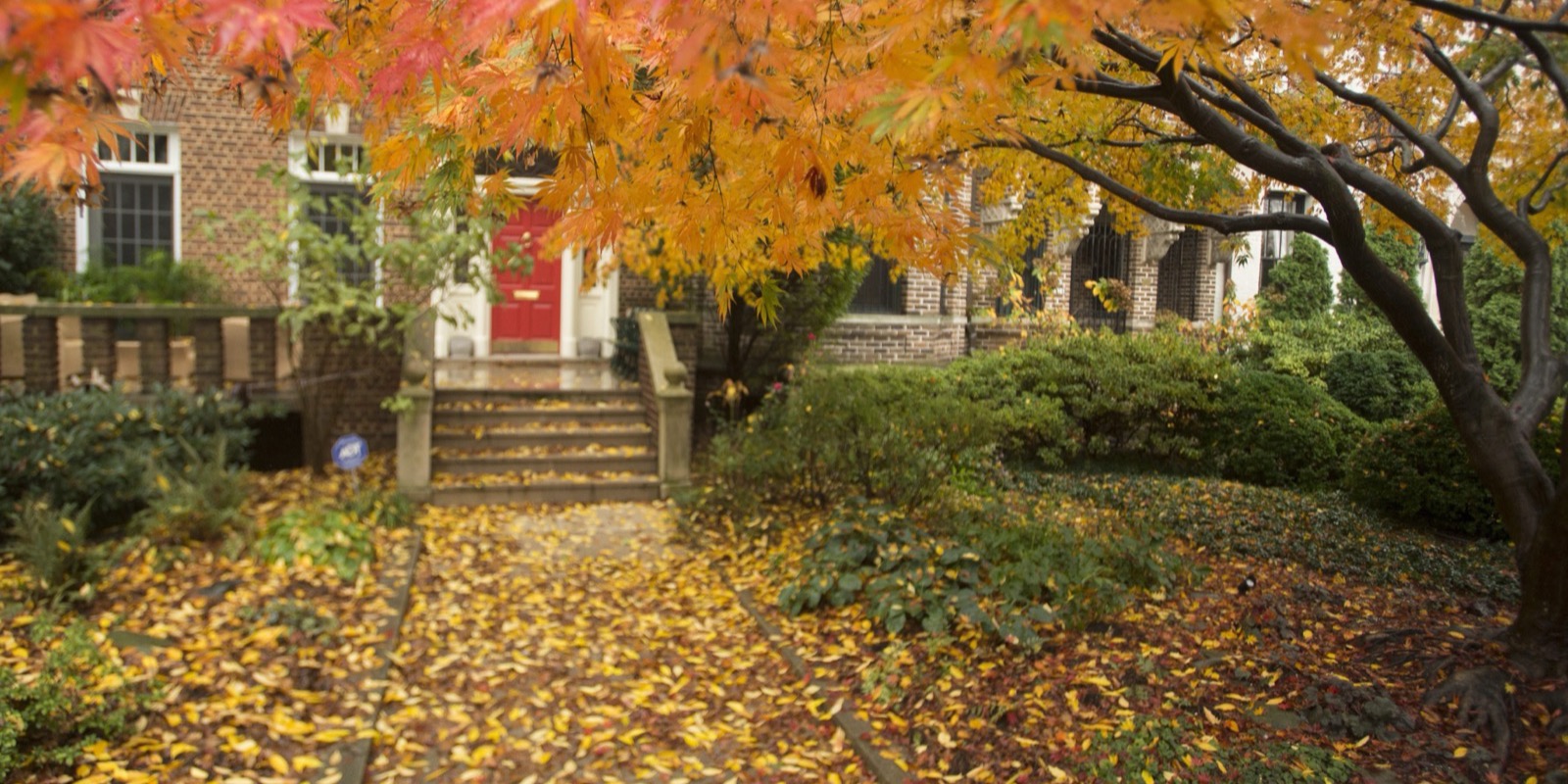
Ultimately, the dry leaves that blanket our streets every autumn can enjoy a second life by being turned into energy or compost. The research, initiatives, and technologies discussed here demonstrate their potential in the energy transition and their contribution to protecting the environment.