

Naturaleza virgen, silencio y pueblos de postal
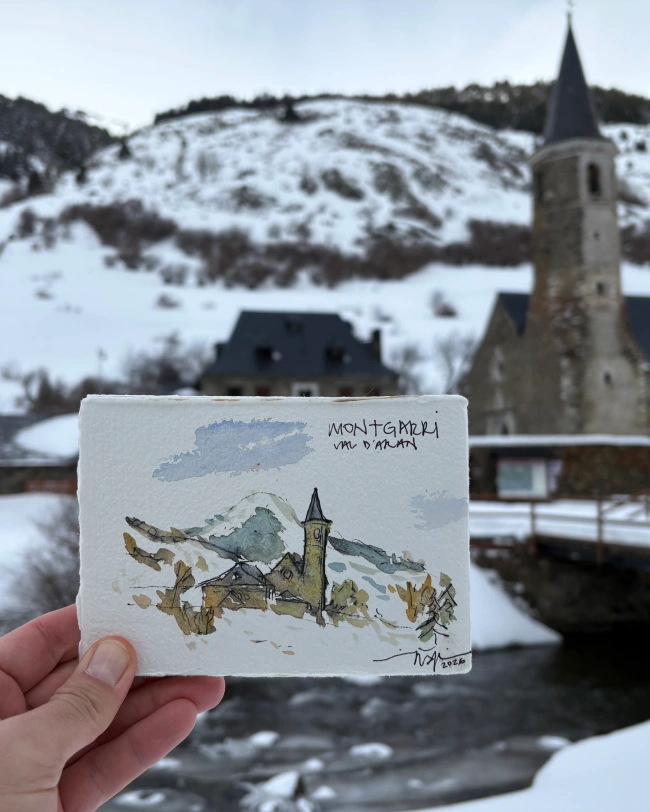
Entre nieve, ríos y cimas, este sendero circular lleva hasta el santuario de Montgarri y su refugio de piedra. Un santuario abandonado del siglo XII junto a un refugio de montaña, esculpido en piedra, son los objetivos de esta ruta circular en pleno Pirineo catalán. Entre bosques, cimas de más de 2.000 metros de altura y un paisaje que se transforma en cada época del año, descubrimos la esencia del Pirineo en Val d’Aran.
What are we going to find?
- Pla de Beret, an accessible starting point and a space where cross-country skiing, hiking and bike parks coexist.
- Cross-country ski trail, a straightforward first stretch with no risk of getting lost.
- Noguera Pallaresa river, a natural axis that accompanies the route and sets the rhythm of the valley.
- 12th-century sanctuary, a historic landmark in the heart of the landscape, witness to the passage of pilgrims and shepherds.
- Montgarri refuge, a strategic stop where gastronomy and rest come together as part of the experience.
- Pine forests and high mountain terrain, ever-changing landscapes throughout the year.
- Cheese dairies and Aranese cuisine, projects reviving traditional recipes and produce for today.
Voices from the “Camino”
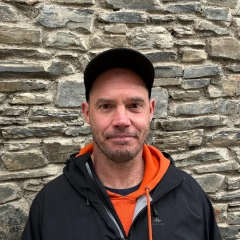
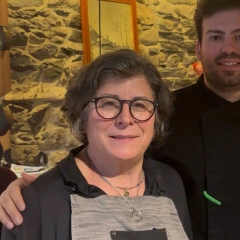

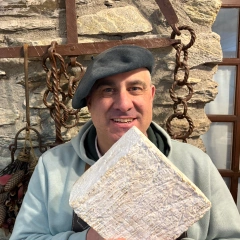
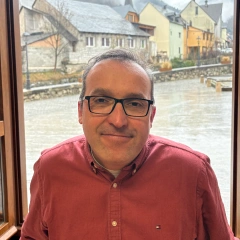
Preparing for the trail
location
Circular – 12 kilometres
uniform
Appropriate footwear and clothing. A warm layer is essential in winter.
airwave
High mountain
visibility-on
Open views over the valleys
This is an ideal route for those new to winter mountain walking: steady progress, open landscape and a clear destination. The snow muffles all sound and the valley slows down, with the river as a natural guide all the way to Montgarri.
Section 1 – Pla de Beret
Set off from the car park. The first metres follow the cross-country ski trail, with clear markers and a comfortable start to find your rhythm.
Section 2 – Valley towards Montgarri
The path opens up through pine trees and footprints. The valley widens, the river appears and guides the way step by step.
Section 3 – Sanctuary and refuge
Arrival at the heart of the valley: a Romanesque church and a stone refuge. A natural stop to warm up, eat something and take in the surroundings.
Section 4 – Return
Head back along the other hillside, with more open views and the feeling of having crossed an entire valley. Silence guides the way once more.
Sound footprint
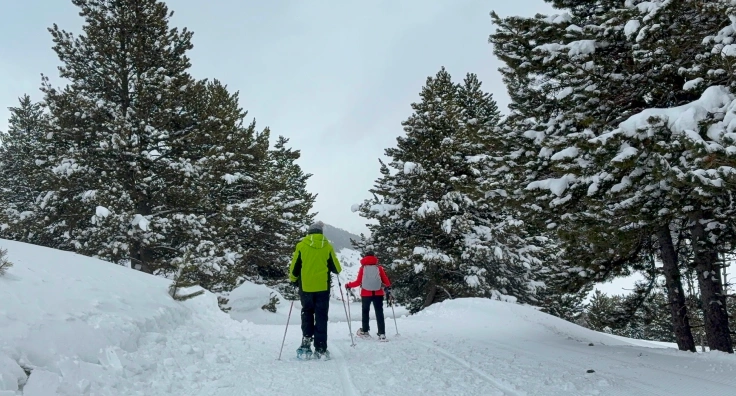
In Montgarri, silence prevails. All you can hear is the crunch of snowshoes on snow, the river running high with meltwater and the wind through the pine trees. A clean soundtrack that shifts with every season.
00:00
00:00
00:00
Trail to Montgarri: what to see and where to go
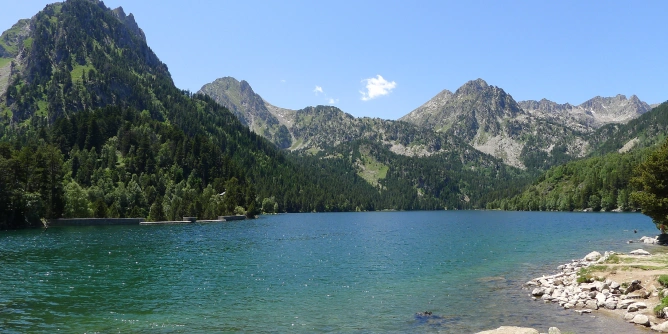
A valley open all year round
Montgarri changes its skin, but never goes quiet. In winter it is snow and silence; in spring, snowmelt and living meadows; in summer, long days for walking; in autumn, deeper forest and low light. A mountain tourism model that spreads activity across the year and cares for the land.
Close by, the water Pyrenees speaks for itself: high mountain lakes such as Sant Maurici or Estany Llong form part of a landscape that brings together nature and historic heritage.
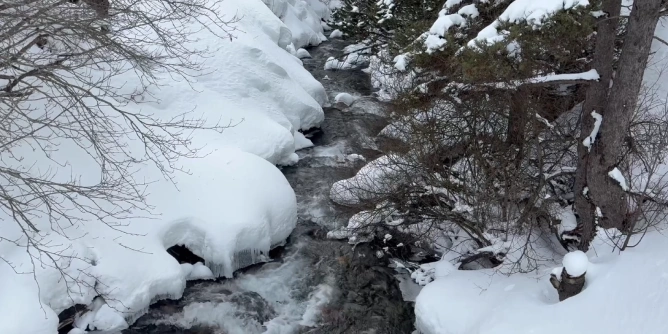
Projects that care for the environment
In Val d'Aran, moving through the mountains is a way of inhabiting them. The trail network has become a living piece of infrastructure where hiking, snow and cycling coexist in harmony, with maintenance, signage and a long-term vision.
That comes through on the route to Montgarri: accessible enough to start, but genuine in what it delivers.
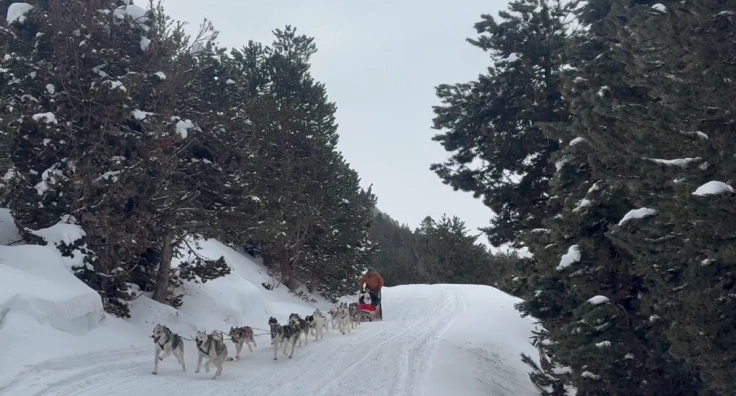
There is also room for snowshoeing, mushing and other ways of discovering the valley without leaving a trace.
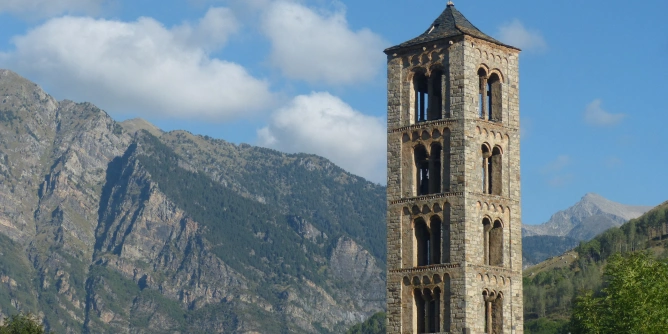
Stone, silence and a unique heritage
The Romanesque architecture forms a unique trail, with churches such as Sant Andreu de Salardú (12th–13th century), connecting art, mountain and community.
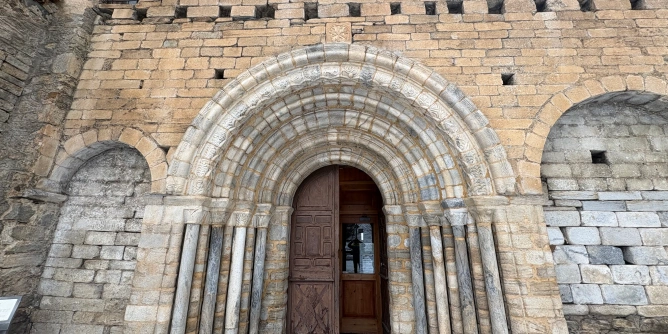
That is why arriving at Montgarri feels like reaching a destination. The sanctuary appears in the middle of the valley like an ancient landmark: sober stonework, simple proportions and the sense of standing at a historic crossroads between Aran, Pallars and the French side of the mountains.
Its origins lie in the Middle Ages, with a foundation attributed to the 12th century and later renovations, preserving elements of the original Romanesque building. It is not just a visit: it is a pause to understand the valley.
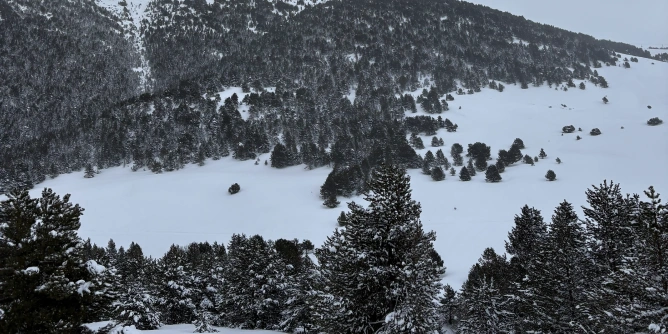
A living rural park, Biosphere Reserve
The Montgarri valley does not look after itself. Extensive livestock farming helps to preserve the meadows, slows the advance of scrubland and sustains a landscape that, without use, would close in. Today that logic is reinforced by active management projects: flocks that "clear" vegetation and reduce the risk of forest fires.
A taste of tradition
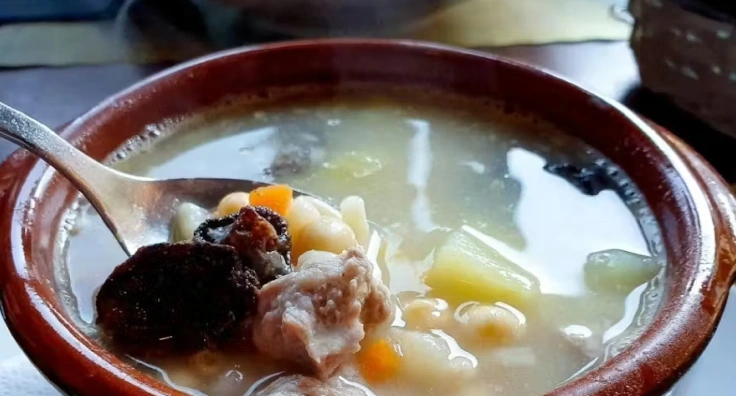
After the walk, the valley can also be understood at the table. Artisan cheeses, refuge cooking and recipes born to sustain long winters remain a living part of Aranese identity. Here tradition adapts and evolves. The òlha aranesa, one of the most emblematic dishes of the valley, is an example of resourceful cooking and local produce that is still celebrated as a community ritual.
Essential dates for your diary
When to go: in winter if you are after snow and silence. Spring and summer if you prefer to walk with the valley open and more hours of daylight.
Services: refuge at Montgarri for a stop to rest and recharge. Services and accommodation around Baqueira and Val d'Aran (ideal for rounding off the experience with local gastronomy).
Local festivals
- Romeria de Montgarri (2 July): traditional pilgrimage to the sanctuary.
- Festa Major de Vielha (August): music, popular events and street life.
- Festa Major de Salardú (August): Aranese tradition and community activities.
- Festa Major de Arties (July): celebrations alongside the Garona river.
- Festa d'Aran (17 June): institutional day reinforcing the identity and culture of the valley.
Discover the rest of the routes

Moeve in the region
We shape the future by driving initiatives in communities to connect people and opportunities.