- The company has reached and exceeds by 5% its 2030 target of increasing the circularity intensity of its operational waste in its Andalusian industrial centers by 50%
- Since 2019, the company has minimized, recycled, and recovered more than 32,000 tons of operational waste, equivalent to the amount generated by a population of approximately 11,000 people over the same period
- The energy company will continue promoting projects to boost circularity and progress towards a zero waste model within the framework of its Positive Motion strategy
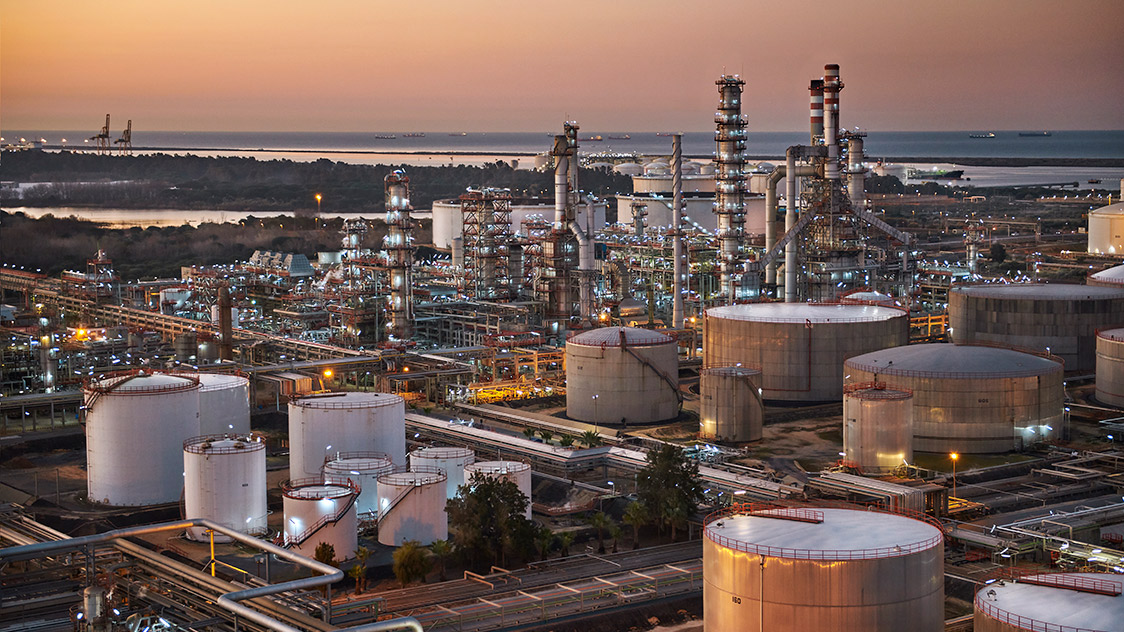
Move has achieved its environmental commitment to waste management established in its Circular Economy Strategy ahead of schedule. Announced in 2023, this goal set a target of increasing the circularity intensity of its operational waste in its energy parks and chemical plants in Palos (Huelva) and San Roque (Cadiz)by 50% by 2030, compared to the base year of 2019.
After consolidating data from the first half of 2026, the company confirmed the final achievement of this objective by recording a 55% increase. Over the past six and a half years, it has minimized, recycled, and recovered more than 32,163 tons of waste from its operations, an amount equivalent to the waste produced by a population of 10,852 people during the same period. This milestone strengthens the company's transition to a zero waste model in its centers.
“Surpassing this objective ahead of schedule shows that circularity can be effectively integrated into our operational management. The results reflect the efforts of our Andalusian industrial center teams and our collaboration with other industries to give waste a second life, showcasing the potential of industrial symbiosis to advance zero-waste models.”
Mar Perrote, Moeve's director of Safety, Environment, and Quality.
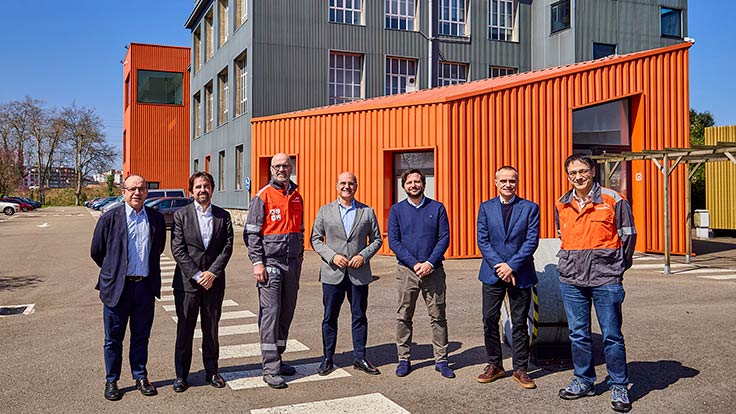
The partnership with Saint-Gobain Weber, driven by the Zero Waste Table, is among the projects that have contributed to this advancement. The Zero Waste Table is a cross-cutting working group that integrates the company's industrial ecosystem and is responsible for identifying opportunities, developing projects, and accelerating symbiosis models with other companies to give waste a second life. From the start of their collaboration in 2022 until June 2026, the two companies have reused over 2,500 tons of spent catalysts from Andalusia's Energy Parks. These materials have been used in the production of 110,000 metric tons of mortar for tile installation, as well as for façade cladding and rehabilitation.
Moeve collaborates with other stakeholders in the value chain to increase waste recovery. For instance, Moeve works with Ecological Recuperations Castellanas (RECASA) to adhere to the Ministry for the Ecological Transition's Pact for a Circular Economy, striving toward shared objectives of waste management and energy recovery. Moeve has also collaborated with Geocycle, a Holcim Group subsidiary, for more than two decades, leveraging its pretreatment infrastructure, such as the Almeria plant, to transform waste and advance shared goals of circularity and industrial decarbonization.
Circularity as a lever for transformation
The energy company’s Circular Economy Strategy is based on three key environmental commitments involving waste, water, and biodiversity. In addition to reaching a milestone in circularity in waste management, the company achieved its goal of reducing its freshwater intake by 21% in water-stressed areas of Spain by 2025, compared to 2019 levels. Building on this progress, the company committed to reducing this intake by an additional 25% by 2028 across all industrial facilities under its operational control in Spain, Brazil, Canada, and China.
In the field of biodiversity, Moeve remains committed to protecting and restoring ecosystems, integrating nature into decision-making processes and advancing its analysis of the Task Force on Nature-Related Financial Disclosure (TNFD)’s international initiative to assess, manage, and report its impacts and dependencies.
The circular economy drives Moeve's transformation and the development of green molecules; the company aims to lead Europe in producing these molecules by the end of the decade. Key projects include a future 2G biofuel plant in Huelva that will use non-food organic waste and will operate exclusively with recovered water, as well as the development of biomethane plants in Spain that will add value to agricultural and livestock waste. Meanwhile, Moeve's new isopropyl alcohol (IPA) plant in Palos de la Frontera is prepared to use raw materials of bio, biocircular, and circular origin, as well as energy from renewable sources. IPA is a base product for disinfectant gels in the medical-pharmaceutical industry, among other applications.