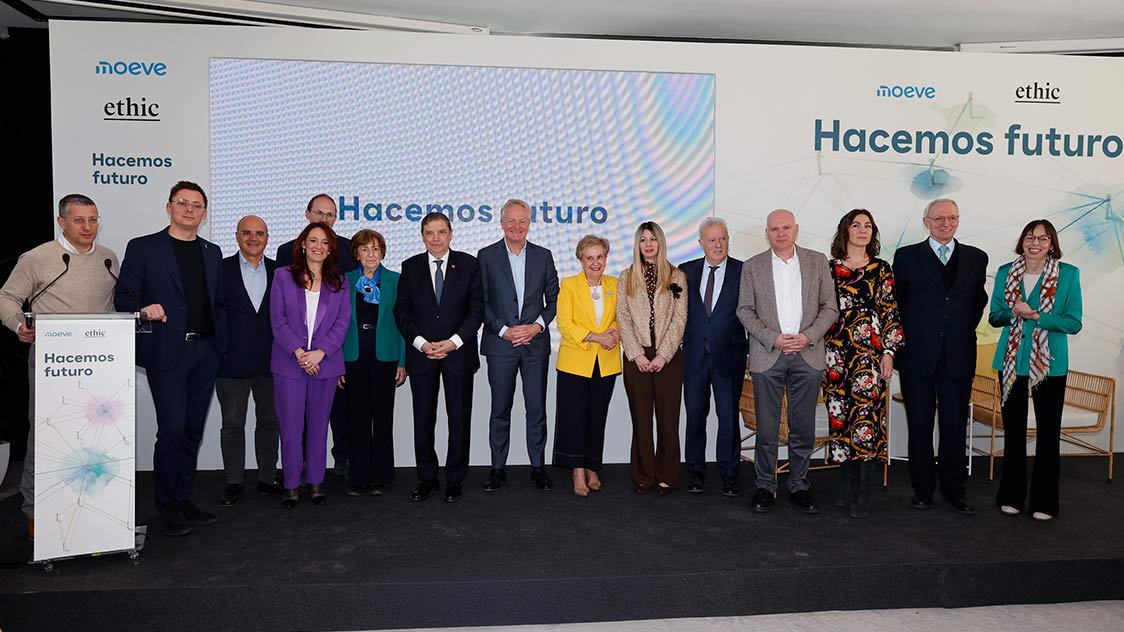
- "It is necessary to seek new forms of dialogue that build trust and help generate shared value for rural development. This is a key issue in the current geopolitical context, which underscores the strategic importance of advancing the energy transition not only from an environmental perspective, but also as the best shield to strengthen Europe’s energy security,” said Maarten Wetselaar, CEO of Moeve.
- The event provided an in-depth analysis of the rural world and highlighted the seventh consecutive annual increase in net migration to small towns, particularly among young people and women, as well as a 4.9% growth in rural employment (2021–2023), according to data from the Spanish State Secretariat for the Demographic Challenge.
- The Minister of Agriculture, Fisheries and Food, Luis Planas, highlighted the importance of the agri-food sector for territorial cohesion and noted the Government’s commitment to promoting generational renewal, a strategic priority to ensure the future of rural areas.
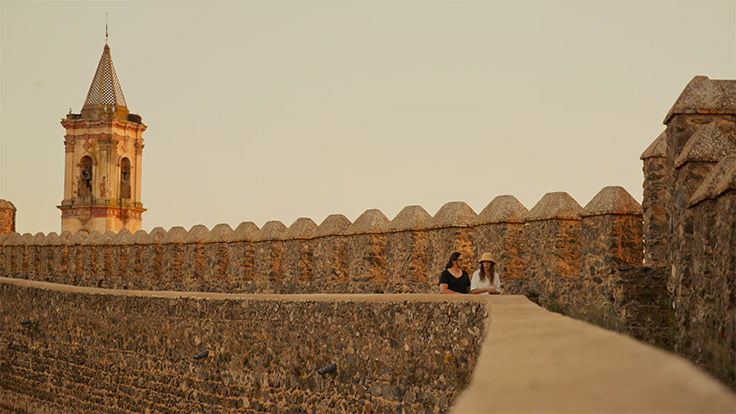
- As part of these efforts to revitalize regions, Moeve presented Trails to the Future, an initiative that highlights the natural, cultural, historical, and social heritage of various towns across Spain and promotes rural tourism.
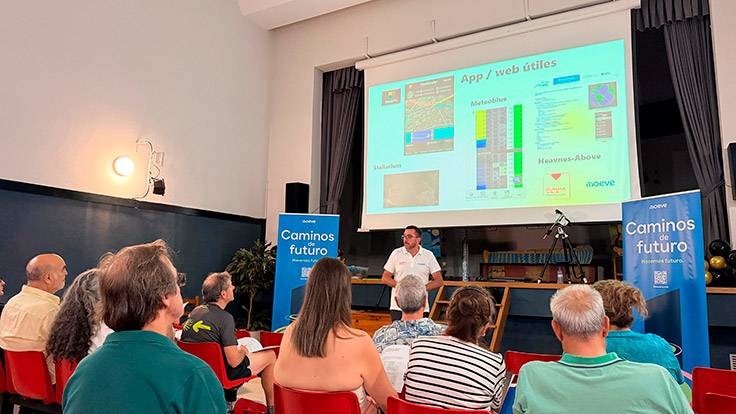
This morning, the Círculo de Bellas Artes in Madrid hosted the We Make the Future event, which brought together representatives from institutions, companies, and rural communities. The event, organized by Moeve and Ethic magazine, focused on collaboration and dialogue as a means of addressing the challenges and opportunities in rural areas, an essential element for the development of renewable energy projects.
The day began with an in-depth analysis of rural communities. According to a study conducted by the Secretariat for the Demographic Challenge, since 2018, towns with fewer than 500 residents have seen a total population increase of more than 118,000 inhabitants, led by young people, along with a 4.9% rise in rural employment (2021–2023). The 5th Perceptions of Progress in Rural Spain study conducted by Next Educación also highlights that 51% of the rural population is already familiar with at least one entrepreneurial initiative in the agri-food or tourism sector that has created jobs in their area. Despite the progress made, the latest report reveals that 63% of people identify a lack of institutional coordination as the main obstacle to rural development.
Carlos Barrasa, director of New Energies at Moeve, and Marta Ares, director of the Spanish Network for Sustainable Development (REDS), discussed the role of the energy transition as an opportunity for regional development and revitalization during the event.
“At Moeve, we believe that the energy transition is a team effort and that collaboration is the foundation for driving new projects that have a positive impact on rural communities, through listening and engaging in dialogue with local inhabitants.”
Carlos Barrasa, director of New Energies at Moeve.
The round table discussion led by Jorge Barrero, Executive Director of Fundación COTEC, discussed how policies promoted by Brussels can be successfully implemented at the local level. Frances Boya, Secretary General for the Demographic Challenge; Diego Canga, Deputy Director-General of the European Commission’s DG AGRI; Joan Herrera, CEO of SAMSO; and Mercedes Molina, professor emeritus at the Compultense University of Madrid (UCM), emphasized European policies, innovation, and cross-sectoral cooperation as essential elements for strengthening regional cohesion and ensuring equal opportunities in rural areas.
Juanjo Manzano, director of AlmaNatura; Carmen Quintanilla, president of Afammer; Tania Solans, president of the FEMP Commission on Smaller-Population Municipalities; Rafael Llamas, president of the Spanish Network for Rural Development (REDR); and Juan Diego Requena, congressman for Jaén, discussed the importance of understanding the different needs of young people and older adults in order to create real opportunities for entrepreneurship, community roots, and social cohesion in rural areas.
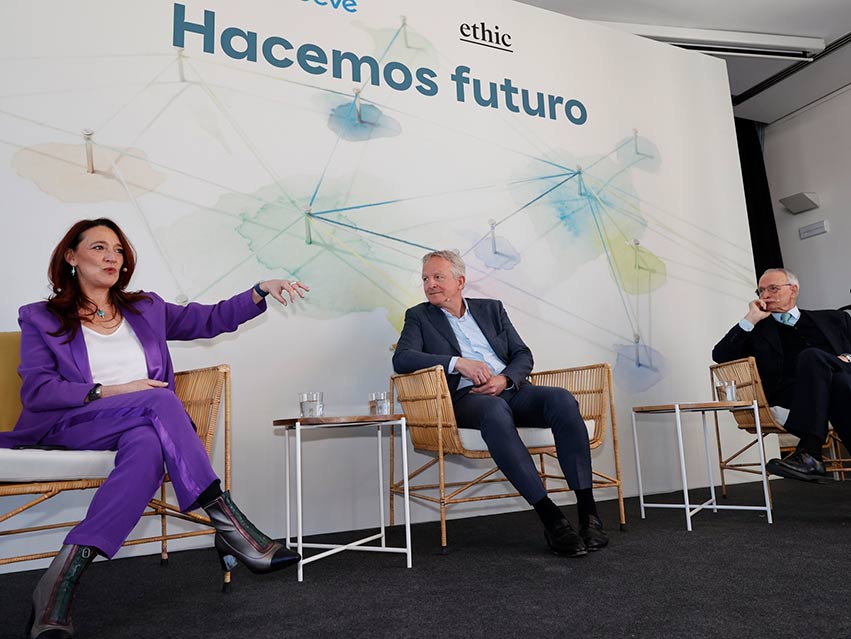
In a conversation between Cristina Monge, a sociologist and political scientist; Maarten Wetselaar, CEO of Moeve; and Antón Costas, President of the Economic and Social Council, the role of companies as drivers of investment, employment, and innovation was highlighted, as well as their responsibility to promote a fair energy transition.
“It is necessary to seek new forms of dialogue that build trust and help generate shared value for rural development. This is a key issue in the current geopolitical context, which underscores the strategic importance of advancing the energy transition not only from an environmental perspective, but also as the best shield to strengthen Europe’s energy security.”
Maarten Wetselaar, CEO of Moeve.
Spain's Minister of Agriculture, Fisheries and Food, Luis Planas, closed the conference by emphasizing that the rural world is a fundamental pillar for progressing toward a more sustainable, competitive, and territorially balanced economic and social model. According to Planas, “the current major transitions in energy, technology and productivity represent an opportunity to boost economic development in rural areas, attract young talent, and foster entrepreneurship.” In this regard, he also emphasized the Government’s commitment, through various measures, to promoting generational renewal and highlighted the importance of the agri-food sector for territorial cohesion.
Trails to the Future: unity from the ground up
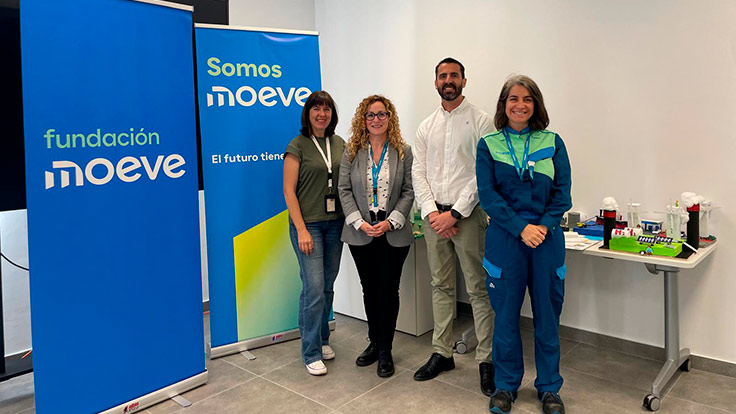
The event provided an opportunity to share Moeve's social license strategy — We Make the Future — which promotes the company’s commitment to regional development and collaboration with local stakeholders. As part of this program, the energy company presented the Trails to the Future project, an initiative designed to highlight routes in various parts of Spain with the aim of showcasing the natural, historical, cultural, and social heritage of these regions and promoting rural tourism and economic activity. The first five trails in the program — located in the towns of Calamocha (Teruel), Cumbres Mayores (Huelva), Taborno (Tenerife), Navas de Oro (Segovia), and Valle de Arán (Lleida) — have already been set up. Moeve has launched a website highlighting the cultural heritage of these routes and the places to visit. The energy company, which has spent the past six months engaging in consultation and co-creation efforts in these towns, will collaborate with local governments to promote tourism along these trails through a campaign in media and on social networks that highlights nearby rural establishments and restaurants.