Defining bioenergy
Bioenergy is defined as the energy obtained from biomass, that is, from organic matter of vegetable or animal origin, including its waste and by-products, through a process in which the chemical energy stored in the organic matter is transformed and can be utilized to generate electricity, heat, and fuel.
Unlike other renewable sources, such as solar energy or wind energy, which capture energy directly from the sun or the wind, bioenergy is based on the transformation of organic matter. While a solar panel converts light into electricity and a wind turbine transforms moving air, bioenergy uses biological processes or thermochemical processes to extract the energy contained in biomass. This gives it an important feature: its storage capacity and its lower intermittency compared to other renewable energy, since biomass can be stored and used when needed, offering a greater management capacity to the energy system.
How is bioenergy produced?
Bioenergy production is a process that begins with the collection of biomass and culminates in its conversion into a useful form of energy.
Biomass sources
Biomass sources are extraordinarily diverse, ranging from forest biomass (such as pruning and logging waste) and agricultural biomass (including crop waste, energy crops), as well as urban and industrial organic waste (such as the organic fraction of municipal solid waste and sewage sludge), animal-derived organic matter, and aquatic biomass, formed by algae and other plants with growing potential.
Conversion methods
Once collected, biomass undergoes different processes to release its energy:
Direct combustion: this is the simplest and most traditional method, where biomass is burned to produce heat.
Gasification: biomass is heated at high temperatures in the partial absence of oxygen to produce combustible gas.
Pyrolysis: biomass is heated in the complete absence of oxygen to produce liquids, gases, and charcoal.
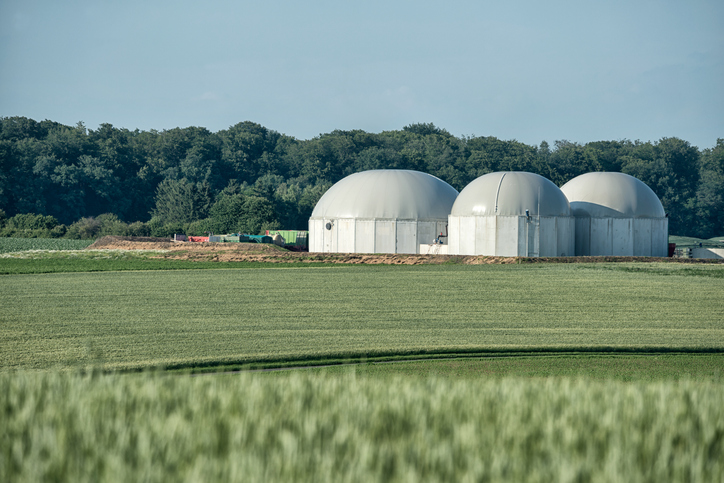
Anaerobic digestion: Biological process in which microorganisms decompose organic matter in the absence of oxygen, producing biogas (mainly methane and carbon dioxide).
Fermentation: Used to produce liquid biofuels such as bioethanol from crops rich in sugars or starch.
Benefits of bioenergy
The advantages of bioenergy are various, consolidating it as an attractive energy option. It significantly contributes to the reduction of greenhouse gas emissions, as the CO2 released by its combustion is the same as that which the biomass previously absorbed through photosynthesis, achieving a reduction of up to 90% compared to fossil fuels. In addition, it facilitates waste management by transforming it into energy resources, promotes rural development and job creation, and encourages energy independence by reducing fuel imports.
Main uses of bioenergy
The versatility of bioenergy allows its application in various sectors, contributing to the decarbonization of the economy:
Electricity generation
Biomass thermal power plants burn this biomass to produce steam that moves turbines and generates electricity. In Spain, the installed capacity of electricity generation through biomass reached 1,045 MW in 2023, which represents 0.9% of the total installed capacity in the country. These plants can operate continuously, providing stability to the network.
Heat production
This is one of the most widespread uses, both at the domestic level (pellet or wood stoves and boilers) and industrially, as well as in heating networks. Biomass is an efficient and economical alternative for heating, especially in rural areas and for industrial processes that require low or medium temperature heat.
Biofuels
These are liquid or gaseous fuels derived from biomass, used mainly in transport. The most common are bioethanol (from crops such as corn or sugar cane) and biodiesel (from vegetable oils or animal fats). In 2022, the consumption of biofuels in Spain represented 9.8% of total energy consumption in road transport, contributing to the reduction of emissions in a key sector.
Biogas production
Biogas, obtained through anaerobic digestion, is a mixture of methane-rich gases that can be used to generate electricity and heat (cogeneration), or purified to biomethane for injection into the natural gas grid or used as vehicle fuel. If that biogas goes through an upgrading process in which it is purified and conditioned, we will obtain biomethane.
Ultimately, bioenergy is not just another source of energy; it is an integral strategy that addresses waste management, promotes rural development, and significantly contributes to the decarbonization of our economy. Its role in the future of energy is, without a doubt, fundamental to achieving the objectives of sustainability and energy independence.