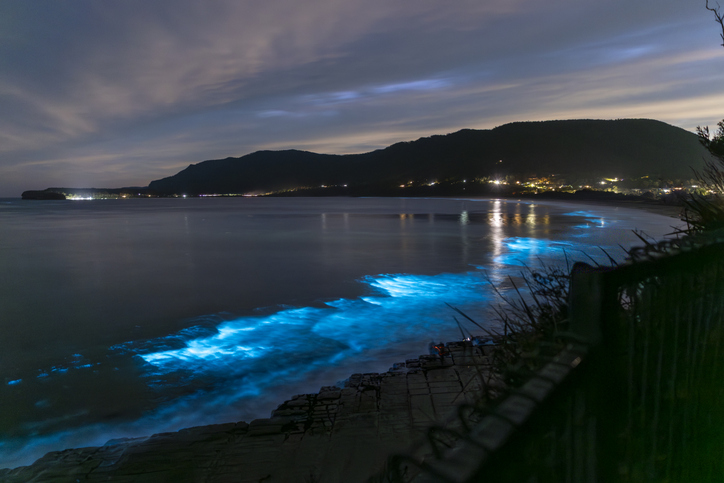
While sustainable tourism aims to minimize environmental impact of vacations, the idea of regenerative tourism is that the traveler's presence actively helps improve the destination. In other words, leisure time can also be an ally to help restore landscapes and environments and conserve them for future generations.
Unlike the traditional approach, regenerative tourism not only seeks to protect and conserve, but also to 'heal'. This model is about leaving the destination in a better state than we found it. It involves activities such as restoring natural habitats, supporting the economic development of local communities, and educating travelers about conservation and cultural respect.
According to Omio's NowNext '24 report, in 2026 58% of travelers already prioritize destinations with this approach, and 44% want to actively support the local ecosystem.
Change can already be seen in the sector: from simply traveling to a place to experiencing the destination. Furthermore, regenerative tourism has positioned itself as the main trend in the luxury sector for 2026, where value lies in authentic connection and positive impact. One example is Colombia, where the coffee axis is leading this transition driven by the country's government. Elsewhere, Red Sea Global is promoting the Saudi Red Sea as an idyllic place with an environmental commitment, where tourism companies have adapted their packages to align with these objectives and offer more authentic and responsible experiences, with luxury found in the purity of the environment or stargazing tourism.
Regenerative tourism in Spain
As a global tourism powerhouse, Spain welcomed a record number of visitors in 2025 — nearly 76.5 million in just the first nine months of the year — which has accelerated the need for models that reduce their environmental footprint and wear and tear of hosting thousands of visitors each year.
In this regard, the Sustainable Tourism Strategy of Spain 2030 from the country's Ministry of Industry and Tourism sets guidelines for addressing the sector's challenges in the medium and long term, promoting sustainable and sustained tourism by advancing the three pillars of sustainability: socioeconomic, environmental, and territorial. In summary, this national agenda governs the territories as part of the plan and commitment to contribute to the achievement of the SDGs established in the UN 2030 Agenda.
According to data from Turespaña, there are 131 locations in beach, urban, or inland areas considered to be almost exclusively tourist destinations. However, there is growing interest in lesser-known destinations and off-season experiences, reducing pressure on crowded areas.
An example of regenerative tourism can be found in the restoration of the Ziga forest in Navarre, a region that stands out for its efforts to preserve landscapes throughout 38 natural reserves with the Huella Positiva project, which exemplifies how tourists can participate in planting or maintaining local biodiversity.
Other examples can be found in the Aran Valley, located in the Catalan Pyrenees, where they are working on the refurbishment of shepherds' trails and reforestation; at the Sastres Paperers mill in Banyoles (Girona), which gets tourists involved in making artisan paper with plant fibers; or at the Monte Holiday initiative in Madrid, a campsite that implements extensive livestock farming to care for the oak forest with guided routes.
Commitment to tourism with a positive impact
Data from the Auren Observatory of Sustainable Tourism 2025 indicate that sustainability is already a consolidated strategic axis. Forty-three percent of international travelers claim they are willing to invest more in experiences that have a real benefit for the environment. This data shows that, in Spain, 30% of travelers have changed their tourism consumption habits for ecological reasons.
In short, it is possible to travel, explore, and enjoy while reducing environmental footprint and having a positive impact under a new philosophy of regenerative tourism that involves leaving the place in a better state than you found it. Commitment and balance for a more responsible and sustainable kind of tourism.