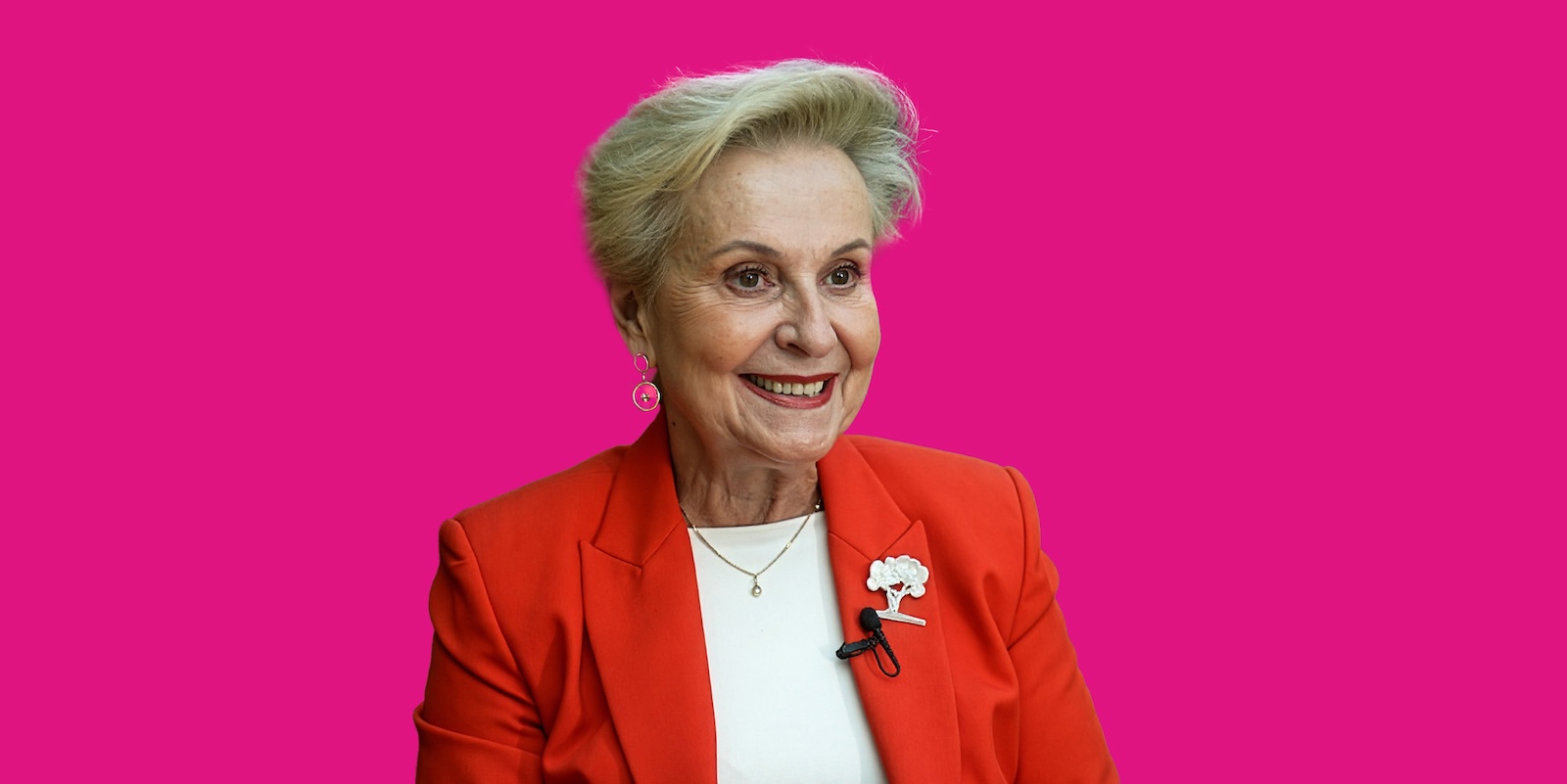
Carmen Quintanilla is an indomitable woman. Committed to rural areas, she champions their potential to develop a life project for the present and future with women at the center as agents of socio-economic transformation. She chairs Afammer, the Confederation of Federations and Associations of Families and Women of the Rural Environment, and from this entity she fights for equality and sustainability, with the digital divide as an urgent challenge.
AFAMMER was founded when little was still talked about in terms of equality in rural areas. What prompted its creation and what was the aim at that time?
At the time, in 1982, Spain was “spineless”, as Ortega and Gasset would say. It was a Spain that was beginning to fight for what we have today, our democracy and rule of law, but no one spoke of women in rural areas– they were invisible. Talking about equality in Spain was a kind of utopia at that time. We had to give women visibility and place them on the political, economic and social agenda.
Throughout these years, how have you perceived the development and progress in the lives of women in rural areas?
I have witnessed a profound transformation in the lives of women in rural areas. I remember when in 1995 we participated in the Beijing World Conference of Women, where we were asking for training, employment, and leadership. Three decades later, we are on the political, economic, and social agenda of the United Nations and are part of 15 international organizations with a voice and with a vote. As of today, no institution, not even the media, can afford not to talk about women and, specifically, about women in rural areas.
Today, women in villages are committed to entrepreneurship, real equality, opportunities, and reclaiming their role in society, all from a place of courage and leadership, They start businesses, innovate in agriculture and are trained in digital skills, sustainability and caregiving. Moreover, they are leading in sectors such as rural tourism– over 56% of country houses are managed by women.
What are the main challenges?
There are many challenges, including the digital divide, pay gap, pension gap... but the main challenge is employment. Two out of three people who leave the rural environment are women, often young and highly qualified, who do not find job opportunities or access to housing or public services.
On the other hand, although the digital divide has been reduced with programs like Conecta en Rural, there are still villages without an internet connection or with poor connectivity, which limits access to training, employment, and social participation. A lack of basic services –such as schools, public transportation, and care for dependents– also hinders the work-life balance and slows down women’s full development.
AFAMMER projects such as Impulso Mujeres Rural promote job placement in emerging sectors. What impact do they have on equality and sustainable development in the rural environment?
We have always been clear that we had to provide training to women. Many in rural areas work in family agricultural and livestock farms, are mothers, care for the elderly... but have not had an opportunity to train. The Impulso Mujer Rural program was created with a clear and necessary purpose– to open new doors of the future through employment in emerging sectors, such as caregiving and green jobs. We talk about sustainability, the circular economy, ecotourism, natural resource management... but also about dignity, economic autonomy, and rootedness.
We have trained thousands of women throughout these 43 years, with a real impact. In an environment where the digital divide, depopulation, and a lack of services continue to create disparities, training rural women is the best investment a country can make if it wants to ensure a vibrant, egalitarian, and sustainable rural environment. We also have programs for older women to access new technologies, as this can give them the opportunity to access their digital banking platform and help them make an appointment with the doctor. Ultimately, it sets them free and keeps them free, with dignity in a world where they often face ageism.
What new opportunities are emerging in the field with digitalization and female entrepreneurship?
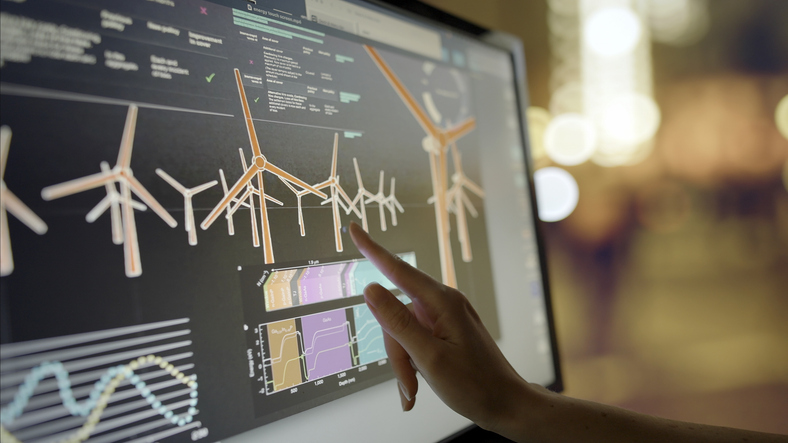
They are revolutionizing rural areas and opening new opportunities that just a few years ago were unthinkable. Thanks to technology, a woman can sell products, offer services, and actively participate in public life without having to leave her village. We see it every day– women who create online stores with artisanal products, training platforms, home care businesses, and rural tourism blogs. They are women who knew how to transform difficulties into opportunities, and who are writing a new narrative for the rural world. They not only generate employment, but also revalue the surroundings, promote local development, and strengthen the area's cohesion.
Rural areas are also addressing transformation related to sustainability and the energy transition. What role can women play in that transformation?
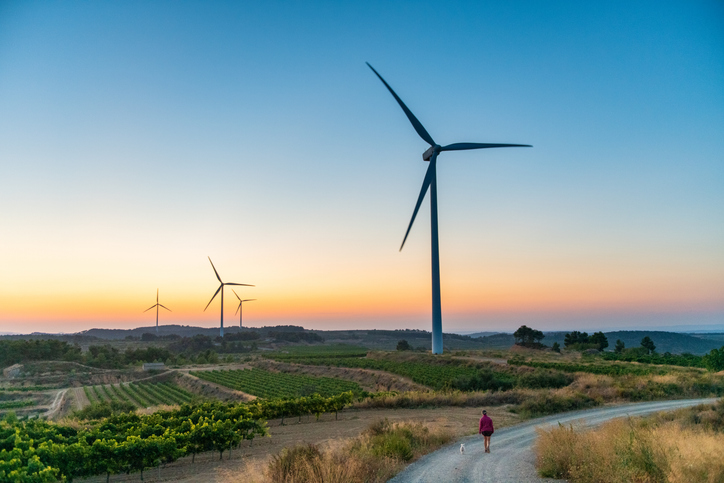
Women have a key role in the transformation towards a more sustainable model for our territories. They have always been linked to caring for the land and the responsible management of resources, but today they are better prepared than ever to lead that change.
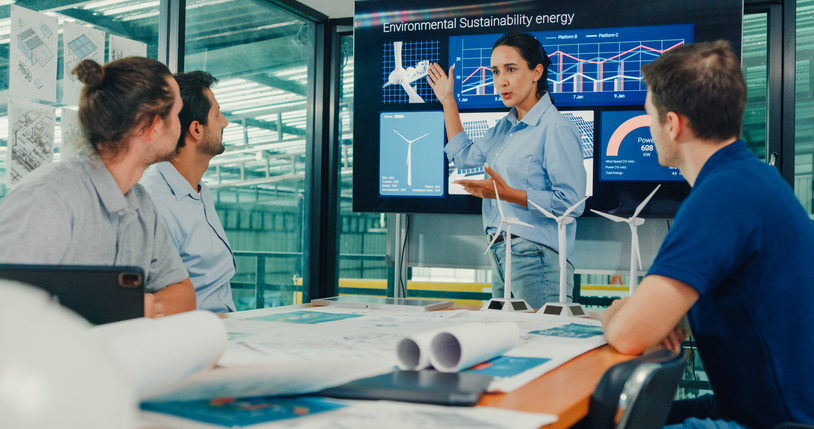
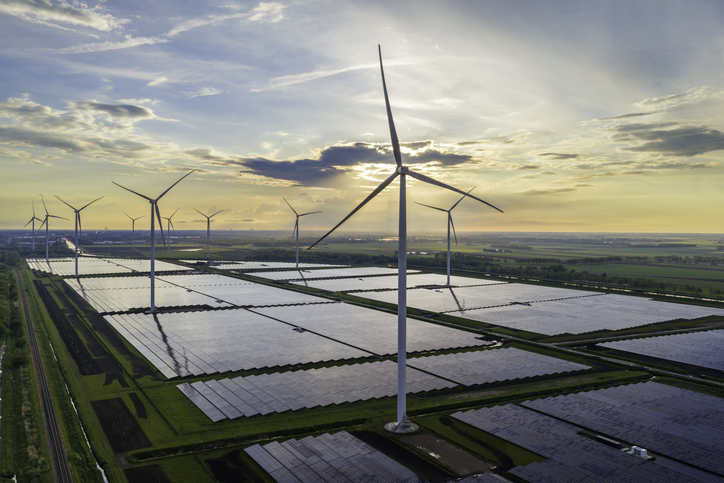
They are committed to green agriculture, manage circular economy initiatives, promote energy efficiency projects in their rural businesses, and train in renewable energies. Green jobs represent a great opportunity to generate quality female employment in growing sectors such as clean energy, waste management, sustainable mobility, and ecotourism.
We talk a lot about depopulation, but there are also signs of a flow from the city to the countryside. What signs of revitalization or momentum can be seen in these areas?
In the villages close to large cities, from between 40 and 100 kilometers away, a return to rural areas can be observed. In the hustle and bustle of life, a rural environment means sustainability, healthy food, peace and well-being, and emotional balance. Approximately 100,000 people have already returned to the countryside and, in many areas, signs of revitalization can be perceived: new local businesses, sustainable tourism projects, recovery of local trade, and greater sensitivity towards the environment.
However, one of the main obstacles is a lack of housing. There are many empty houses in villages, which are in ruins or no longer have heirs. If we want to reverse depopulation, we need a good housing policy that facilitates renovation and access to housing for young people.
What do young women need in order to stay in villages and build a life for themselves?
Young women need something very specific to stay in their villages– real opportunities. Employment is the basis of equal opportunity and human rights. When a woman has a job, she can make decisions about her life. They do not want privileges, only equal conditions so they can build a life without having to renounce their roots.
Today, rural young people are better prepared than ever, with university studies, vocational training, and digital skills, but they cannot find an environment in which they can stay. When a young woman leaves, talent, innovation, generational change, and the future are all lost. When women stay in a village and access employment, they generate wealth, leadership, and demand for public services.
After more than 40 years of work, what continues to motivate and excite you?
I stay motivated by the fact that we still have a long way to go in real equality of opportunities. We have to involve men and make them complicit on the long road for equality that women still have to travel. As long as I continue to feel enthusiastic about it, I want to keep working towards that feminism of cooperation and consensus.