Growing demand for renewable fuels is driving the development of new technological solutions that can improve the efficiency, flexibility, and sustainability of production processes. Yet integrating new renewable feedstocks, optimizing catalysts, and scaling up processes remain major challenges for the second-generation (2G) biofuels sector. These green molecules, including sustainable aviation fuel (SAF) and renewable diesel (HVO), are set to play a critical role in decarbonizing hard-to-electrify sectors such as aviation, shipping, and heavy road transport.
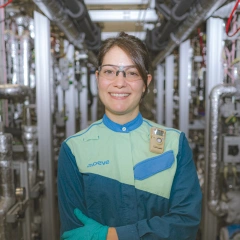
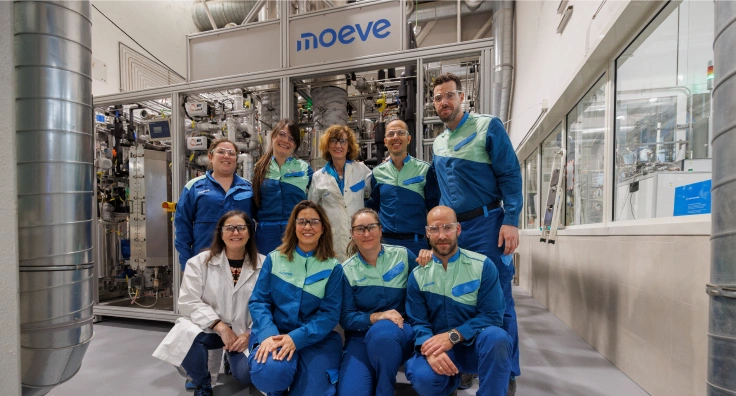
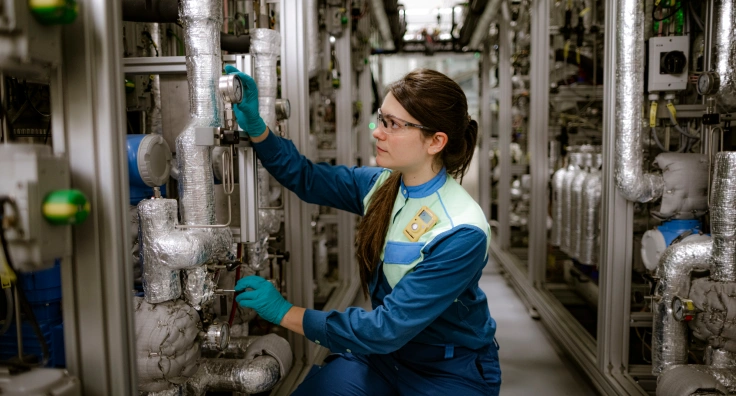
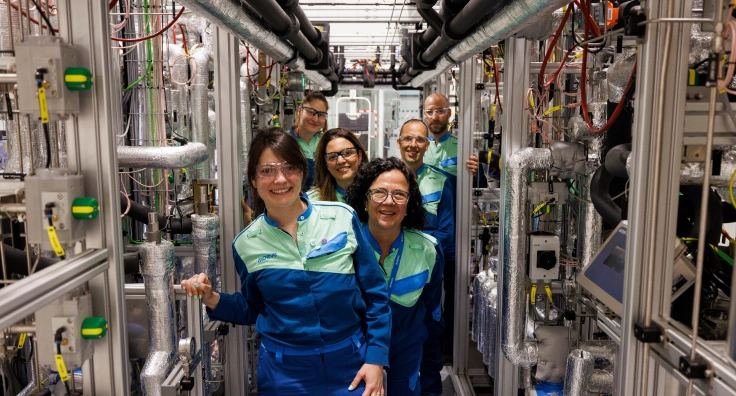
In 2027, Moeve will launch the Picasso plant (or complex) in Huelva, which will become the largest 2G biofuels complex in southern Europe. The Mini Picasso project involved the design, construction, and commissioning of a new pilot plant at the Innovation Center, a scaled-down version of the future Huelva facility. Mini Picasso integrates every stage of the production process in a continuous flow, closely replicating the operating conditions of the industrial unit. This capability will make it possible to test emerging technologies in a realistic environment before rolling them out at industrial scale.
At Moeve, we want to strengthen our innovation capabilities in 2G biofuels and speed up the arrival of new sustainable solutions to market. Mini Picasso will enable us to quickly validate new feedstocks, catalysts, and operating conditions to maximize the production of sustainable fuels while minimizing technological risk. The facility will serve as a bridge between research and industry, generating reliable data to support design, operational, and investment decisions. This, in turn, will help us identify opportunities for improvement, optimize the performance of future facilities, and accelerate the development of new renewable molecules for the mobility of the future.