- The two companies have operated a flight between Madrid and Lisbon incorporating into the fuel logistics a pioneering, technically certified blend of three fuels: e-SAF (renewable synthetic aviation fuel), bio-based SAF and conventional jet fuel
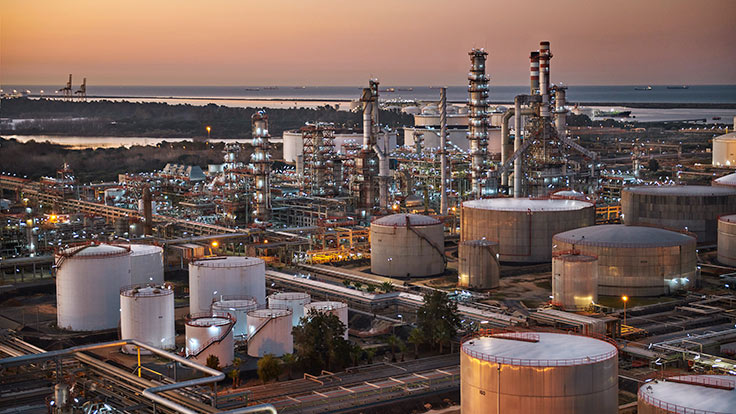
- The e-SAF was produced from renewable hydrogen and captured waste CO2 through a process coordinated by Moeve’s Innovation Center in collaboration with its innovation ecosystem. The SAF was produced at Moeve’s Energy Park in Cadiz from waste feedstocks, including used cooking oils
- Following the flight, senior industry representatives gathered in Lisbon to discuss the challenges involved in advancing the decarbonization and energy independence of Europe’s aviation sector
En el marco de su compromiso con la descarbonización del transporte aéreo, Moeve y la aerolínea World2Fly, perteneciente a World2Meet (W2M), división de viajes del grupo Iberostar, han operado un vuelo entre los aeropuertos de Madrid y Lisboa, con la incorporación en la logística de una combinación pionera de combustibles, que integra combustible sintético renovable (e-SAF) y de origen biológico (SAF) con el queroseno tradicional.
La mezcla suministrada al sistema logístico operado por Exolum ha combinado un 1,2 % de e-SAF sintético —producido1 por el Centro de Innovación de Moeve en Alcalá de Henares (Madrid) en colaboración con el Consejo Superior de Investigaciones Científicas (CSIC) a través del Instituto de Tecnología Química, centro mixto del CSIC con la Universidad Politécnica de Valencia (ITQ-CSIC-UPV) y el Centro Tecnológico de Finlandia (VTT)— con un 4,8 % de SAF biológico. Este último ha sido producido por Moeve en su Parque Energético San Roque (Cádiz) a partir de materias primas circulares y residuos que no compiten con la alimentación, incluidos aceites de cocina usados procedentes de la red hotelera del Grupo Iberostar en Andalucía y Cataluña.
Los combustibles sostenibles para la aviación reducen significativamente las emisiones de CO2 sin necesidad de adaptar los motores de las aeronaves ni las infraestructuras logísticas existentes en los aeropuertos. Esta iniciativa demuestra la viabilidad operativa de los combustibles sintéticos en la operativa real, con el objetivo de impulsar el desarrollo científico y tecnológico en soluciones comerciales que aceleren la descarbonización a mayor escala, la autonomía energética y la competitividad de la industria aérea europea.
El reglamento europeo ReFuelEU Aviation, perteneciente al paquete Fit for 55, establece una incorporación progresiva de combustibles sostenibles para la aviación en el suministro de los aeropuertos de la Unión. Para 2030, la normativa establece que al menos un 6% del combustible anual de aviación suministrado en los aeropuertos de la UE deberá ser SAF, incluyendo un 1,2% de e-SAF. Esta obligación irá aumentando progresivamente hasta 2050, impulsando un incremento de la demanda de combustibles sostenibles y sintéticos para la aviación. As part of their commitment to decarbonizing air transport, energy company Moeve and airline World2Fly – part of the World2Meet group, Iberostar’s travel division – have operated a flight between Madrid and Lisbon using a pioneering combination of fuels within the supply chain, blending renewable synthetic aviation fuel (e-SAF) and bio-based SAF with conventional jet fuel.
The blend supplied to the aviation logistics system operated by Exolum combined 1.2% synthetic e-SAF, produced1 by Moeve’s Innovation Center in Alcalá de Henares (Madrid) in collaboration with the Spanish National Research Council (CSIC) -- through the Institute of Chemical Technology (ITQ-CSIC-UPV), a joint research center of CSIC and the Polytechnic University of Valencia -- and Finland’s VTT Technical Research Centre, with 4.8% bio-based SAF. The latter was produced by Moeve at its San Roque Energy Park in Cadiz using circular and waste feedstocks that do not compete with food production, including used cooking oils collected from Iberostar Group hotels in Andalusia and Catalonia.
Sustainable aviation fuels (SAF) can significantly reduce CO2 emissions without requiring modifications to aircraft engines or existing airport logistics infrastructure. This initiative demonstrates the operational viability of synthetic fuels in real-world aviation operations and aims to advance scientific and technological development toward commercially viable solutions that accelerate large-scale decarbonization, strengthen energy independence, and enhance the competitiveness of the European aviation industry.
The European ReFuelEU Aviation regulation, part of the Fit for 55 package, establishes a progressive increase in the share of sustainable aviation fuels supplied at EU airports. By 2030, at least 6% of the annual aviation fuel supplied at EU airports must be SAF, including 1.2% e-SAF. These requirements will increase progressively through to 2050, driving greater demand for sustainable and synthetic aviation fuels.
Bringing together the entire value chain to advance the energy transition
Following the flight, an industry forum was held in Lisbon, bringing together senior representatives from across the sector to discuss the challenges facing European aviation as it seeks to accelerate progress towards its 2030 climate targets and achieve greater energy independence.
Participants included leading industry players such as Airbus, Rolls-Royce, Exolum, IATA, McKinsey, and ANA – Aeroportos de Portugal, alongside companies including ArcelorMittal and Bondalti, as well as ICEX. The academic community was represented by Carlos III University of Madrid, Rey Juan Carlos University and the Polytechnic University of Madrid, while the scientific community included CSIC, Valencia’s ITQ and Finland’s VTT Technical Research Centre.
“Decarbonizing aviation requires innovation and commitment across the entire value chain. It also requires Europe to produce more of its own green molecules, reducing dependence on imported fuels while advancing its climate targets. The Iberian Peninsula can play a decisive role in making Europe a leading hub for green molecule production, from second-generation biofuels to green hydrogen.”
Maarten Wetselaar, CEO of Moeve.
Gabriel Subias, CEO of World2Meet, added: “At World2Fly, we believe the future of aviation depends on turning innovation into practical, real-world solutions. Participating in this fight alongside Moeve shows the importance of airlines, energy companies and the wider industry working together to advance more sustainable air travel. As a long-haul airline, we understand the challenges our sector faces and are committed to playing an active role in developing and adopting the solutions needed to drive its transformation.”

To complement the industrial and institutional perspectives at the forum and bring younger talent into the debate around the energy transition, energy resilience and aviation decarbonization, the event also included a hackathon.
More than 40 aeronautical engineering students from Carlos III University of Madrid, Rey Juan Carlos University and the Polytechnic University of Madrid, the University of Leiria Oeste, the University of Coimbra, the University of Porto and Instituto Superior Técnico – University of Lisbon, together with junior professionals from Moeve and World2Fly, took part. Working collaboratively on proposals and practical use cases, participants explored how open innovation, academic expertise and intergenerational collaboration can generate ideas to accelerate the decarbonization of hard-to-electrify sectors and strengthen Europe’s energy and technological autonomy.
Technological innovation and regulatory readiness
Moeve, which supplied the renewable fuels through the supply chain, is demonstrating its ability to develop increasingly sustainable energy solutions that can be used by the aviation industry without requiring changes to aircraft engines or existing distribution networks.
The energy company is also constructing, together with Apical, a €1.2 billion second-generation biofuels plant in Palos de la Frontera (Huelva). The facility will enable the large-scale production of SAF in Spain, helping provide alternatives to fossil fuels.
Decarbonizing the aviation sector is one of the most technically complex challenges facing the industry today. World2Fly is implementing a range of targeted initiatives to reduce its carbon footprint across both flight operations and ground activities. The airline has incorporated the Airbus A350 into its fleet, a model that, according to the manufacturer, can reduce CO2 emissions by up to 25% compared with previous aircraft generations. It is also progressively increasing its use of sustainable aviation fuel (SAF), leveraging SkyBreathe data analytics to optimize fuel consumption, and deploying a variety of operational efficiency and onboard weight-reduction measures. In support of collective industry action, the airline is a member of the Alliance for the Sustainability of Air Transport (AST).
Both the renewable synthetic aviation fuel, e-SAF3, and the final fuel blend2 have undergone technical validation and certification by independent laboratories and organizations, enabling their use by airlines and across the aviation ecosystem.